 roundup guide
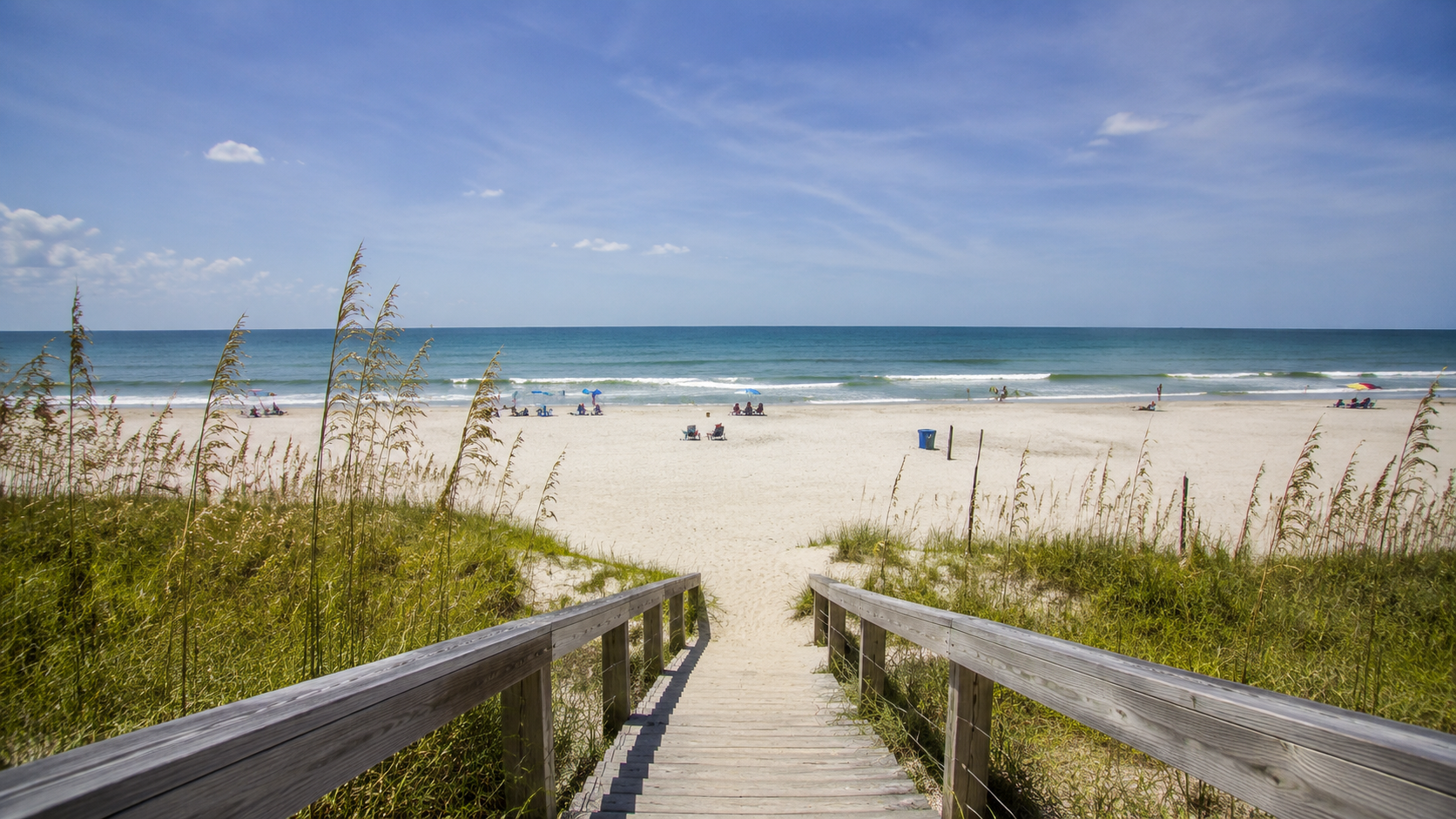
Best Texas Beaches for Every Kind of Coast Trip
Compare Texas beaches for families, camping, nature, and easy weekends with honest notes on water, weather, cost, and access.
Compare low-cost Texas weekends using complete trip estimates, free anchors, compact routes, and honest transportation tradeoffs.
12–16 minute read
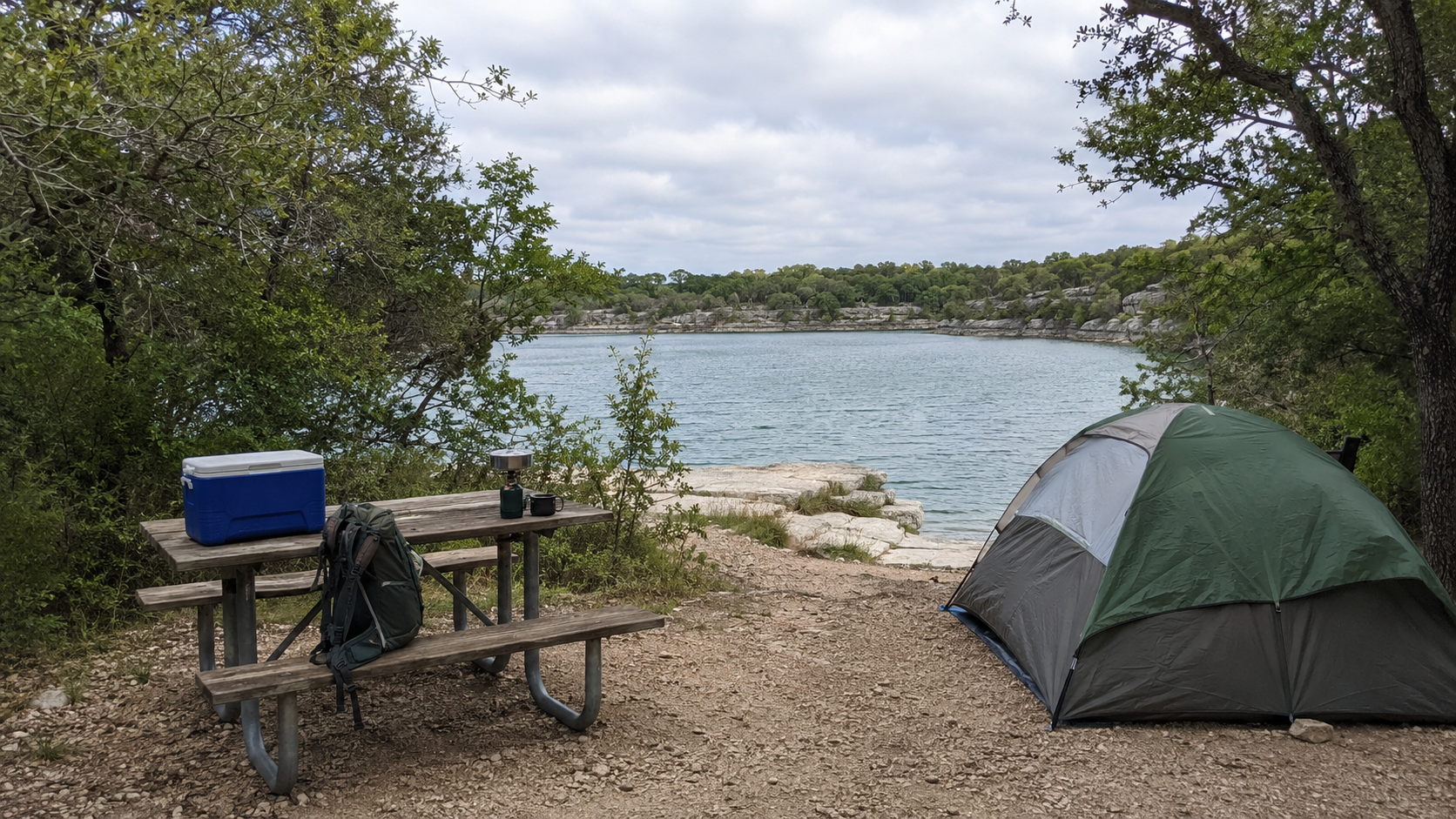
Texans planning a genuinely affordable two-night trip.
No. Every number is an editorial planning estimate; verify live totals and terms.
Set a complete-trip ceiling, then compare dates and transportation before booking.
A cheap getaway is not the place with the lowest advertised room. It is the trip with the lowest complete cost after transportation, taxes, parking, meals, and the choices you will realistically make. The destinations below can support an inexpensive two-night structure because they have free anchors or compact routes. Estimates cover two adults sharing a room, exclude travel from outside Texas, and are planning ranges rather than live quotes.
Use this list to find the kind of nearby trip that gives you the most useful time for the money. Start with your origin and transportation cost, then compare lodging after fees and the one experience you care about. A staycation, small town, park, or coast trip can each be the cheapest answer for a different traveler.
A good choice should leave enough time and money for the purpose of the trip. Calculate the complete total, add a contingency, and ask whether the travel time still leaves useful hours. Verify decision-critical facts with parks, cities, hotels, carriers, and venues. Open Path does not guarantee price, availability, weather, access, or safety.
Planning context: no intercity travel.
Book no room—or one night instead of two—and act like a visitor in a single neighborhood. Choose a park, free museum hours verified on the official site, a self-guided architecture walk, and one meal you would not normally try. The key is geographic discipline, not pretending errands count as vacation.
Cost breakdown: Lodging $0–$220; food $70–$180; local transport $10–$70; activities $0–$50. Estimated total: $80–$520.
Plan around: Set a start and end time, silence chores, and reserve the experience emotionally. Without boundaries, a staycation can feel like an ordinary weekend.
Continue with the complete Open Path guide.
Planning context: origin-dependent.
Downtown, the Brazos riverfront, public art, and Cameron Park can create a full framework before paid attractions. Pick one commercial priority rather than turning browsing into an open-ended expense. A central base reduces repeated parking and makes a short weekend feel coherent.
Cost breakdown: Two nights $180–$360; food $100–$200; local costs $25–$80; activities $0–$80, plus your drive. Estimated destination total: $305–$720.
Plan around: University weekends and major events raise demand. Compare totals on alternative dates, and verify hours because some small businesses close early.
Continue with the complete Open Path guide.
Planning context: best from Central or South Texas.
The central city offers historic atmosphere, plazas, river walks, and selective museum or mission visits. Save by choosing lodging with breakfast or kitchen access and by walking one compact zone. A remote motel is not cheaper if it requires parking and rides for every outing.
Cost breakdown: Two nights $210–$430; food $110–$220; parking/transit $30–$100; activities $0–$90, plus arrival. Estimated destination total: $350–$840.
Plan around: Central rooms can be costly on events and holidays. Compare the all-in room total with a near-core property before assuming either wins.
Continue with the complete Open Path guide.
Planning context: best from Southeast Texas.
The beach is the main free anchor, supplemented by neighborhood walks and one paid indoor attraction if weather turns. Bring reusable water bottles, shade, and beach basics from home. Staying off-island may cut the room price but adds bridge traffic and removes the ability to walk back.
Cost breakdown: Two nights $200–$420; food $100–$210; parking $20–$70; activities $0–$80, plus arrival. Estimated destination total: $320–$780.
Plan around: High-demand weekends and beach weather can erase the value. Flexible cancellation is worth comparing with a slightly lower prepaid price.
Continue with the complete Open Path guide.
Planning context: best from North Texas.
Build one day in the Cultural District and one around downtown or the Stockyards. Verify current museum admission and parking rules rather than relying on old “free” lists. The cheap version uses one geographic cluster per half-day and treats shopping as optional.
Cost breakdown: Two nights $200–$430; food $110–$220; local transport $30–$100; activities $0–$100, plus arrival. Estimated destination total: $340–$850.
Plan around: Stockyards events and central parking can add cost. If both Dallas and Fort Worth are on the plan, budget the transfer instead of treating the metroplex as one walkable destination.
Continue with the complete Open Path guide.
Planning context: best for travelers already nearby.
Corpus Christi is economical when the coast is the activity and you already own beach supplies. Combine the bayfront, one beach zone, and one indoor or wildlife priority. Driving among North Beach, downtown, and Padre Island requires fuel and time, so do not attempt all three repeatedly.
Cost breakdown: Two nights $210–$440; food $110–$220; local fuel/parking $25–$75; activities $0–$100, plus arrival. Estimated destination total: $345–$835.
Plan around: Wind, sun exposure, water conditions, and tropical weather affect the free activities. Keep cancellation terms and a non-beach alternative in view.
Continue with the complete Open Path guide.
Use a simple worksheet with six rows: arrival transportation, lodging after mandatory fees, local transportation, food, activities, and contingency. Enter the total for every traveler, then note what is excluded. If two people share a room but pay separately for transport, do not describe the whole trip as a per-person room rate. Consistent units prevent misleading comparisons.
For a road trip, estimate mileage from your actual address, your vehicle’s realistic efficiency, expected fuel or charging price, tolls, parking, and stops. For a flight, add baggage, seat selection if needed, airport transfers on both ends, and parking or transit at home. For lodging, continue to the final screen before purchase to see taxes and mandatory charges, but do not book until the route works.
The contingency is not souvenir money. Hold 10–15 percent for a weather pivot, an unexpected meal, a missed connection, or a safe ride. If setting aside that buffer breaks the budget, shorten the trip or change the plan before buying anything.
Name the two experiences that would make the trip worthwhile. Put them on a map and select a base that reduces backtracking. Everything else is optional. This protects both money and energy and gives bad weather less power over the entire weekend.
Walking distance on a map does not describe shade, curb cuts, surface quality, restroom availability, noise, seating, or elevation. Contact the relevant operator for current details. Budget for a closer room, accessible parking, or a ride when it makes the trip workable; access is not an optional upgrade.
Heat, thunderstorms, tropical systems, freezes, wind, and flooding can close the activity you expected to be free. Choose one indoor or flexible alternative and prefer terms that match the risk. Never cross a barricade or enter moving water to protect a reservation.
Cutting every category evenly often produces a trip no one enjoys. If food is the purpose, stay somewhere simple and reserve money for one excellent meal. If rest is the purpose, pay for the quiet room and skip admissions. A budget is a values document as much as a spreadsheet.
No. They are editorial scenarios that show what to include and how options compare. They are not quotes or guarantees. Search your dates and read the final terms immediately before booking.
No. The answer depends on distance, number of travelers, vehicle, parking, tolls, and available alternatives. Compare door-to-door totals and usable destination hours, not fuel against airfare alone.
Start early enough to compare rather than panic-buy. Reserve genuinely scarce transport, lodging, permits, or must-do activities after the complete trip fits. Flexible everyday stops rarely need to be prepaid.
Use the Open Path Travel Compass to compare your budget, travel confidence, preferred pace, interests, and transportation needs. Then browse all Texas travel guides and open the relevant destination guide before booking.
A useful plan narrows choices without pretending uncertainty has disappeared. Put your real constraints into the Open Path Travel Compass. It will help you choose a destination that fits; the linked Texas guides can then turn that match into a practical route.
Compare another route, destination, or travel style before you book.
roundup guideCompare Texas beaches for families, camping, nature, and easy weekends with honest notes on water, weather, cost, and access.
 roundup guide
Compare Houston weekend trips by travel time, complete cost, pace, and traveler fit, from Galveston to the Hill Country.
 roundup guide
Explore overlooked Texas parks, small towns, history, art, and coast stops with responsible access and realistic route advice.