Best for: first-time visitors, couples, solo travelers, weekend planners2–3 daysBudget $-$$ModerateBest time: spring, late fall, and winter; always check the current forecast and event calendar
Quick decision summary
Who is this trip best for?
Museums, ambitious food, parks, and big-city variety.
How long should you stay?
Two full days and two nights create a useful first visit; add a third day only if you have a distinct extra priority.
What does the budget assume?
$560–$1,250 for two people sharing a midrange room for two nights, casual meals, local transport or parking, modest activities, and a buffer. Travel to the destination is excluded.
Do I need a car?
Read the transportation section before booking: the answer depends on your arrival point, base, and willingness to use rides.
The practical fit
Know what this trip asks of you
Best for
first-time visitors, couples, solo travelers, weekend planners.
Trip length and cost
2–3 days. Editorial estimate: $560–$1,250 total for two people sharing one room for two nights, excluding travel to the city
Transportation
Moderate. Helpful; see the route-specific guidance below.
Before you reserve
Price the route for your dates, including the lodging total and local transportation. Confirm accessibility details directly with each place you plan to use.
Verify before you go
Live weather, alerts, closures, and road conditions
Final prices, taxes, fees, parking, and cancellation terms
Current hours, reservations, entry rules, and accessibility details
A Houston weekend is most rewarding when you choose one central base and organize each day around a nearby cluster. Pair the Museum District and Hermann Park, or Downtown and the Buffalo Bayou area, rather than treating the region as a checklist. Houston offers exceptional cultural and food variety, but cross-city travel can consume a short trip.
Who should choose Houston
Choose Houston for museums, ambitious dining, green space, and the freedom to build very different days. It suits travelers who enjoy making choices more than following a single sightseeing circuit. If your main goal is Space Center Houston, treat that as a dedicated excursion: its location changes the day’s transportation plan and leaves less time for central neighborhoods.
Ideal length and realistic budget
Two nights and two full days provide a useful introduction. The editorial range is $560–$1,250 for two people sharing one room for two nights, excluding travel to Houston. It assumes non-luxury lodging, casual meals with one fuller dinner, local driving or a limited number of rides, up to two admissions, and a buffer. Solo travelers usually carry the room cost alone.
This range is a planning scenario, not a quote. Check current room taxes and fees, parking, menus, tickets, and cancellation terms before committing.
Best time and seasonal tradeoffs
Spring, late fall, and winter can make outdoor time more comfortable, but no season guarantees mild conditions. Heat, thunderstorms, flooding, and tropical weather can disrupt routes. Review the official forecast and emergency guidance shortly before departure, and replace—not merely delay—outdoor plans when officials advise caution.
Getting around without wasting the weekend
A car is helpful for dispersed priorities, though parking and cross-town traffic are real costs. A traveler staying near the Museum District, Downtown, or Midtown may be able to combine walking, transit, and occasional rides for a compact itinerary. Montrose adds restaurants and neighborhood atmosphere but still requires mapping the exact connection to museums, parks, or Downtown.
Map airport transfers and the evening return before choosing lodging. For a Space Center day, compare a rental car or ride costs with the time and complexity of other options using current information.
Where to stay by area
Museum District: a practical base for museums, Hermann Park, and nearby cultural institutions.
Downtown or Midtown: useful for central attractions, events, and connections, with block-by-block differences in noise and walking comfort.
Montrose: appealing for neighborhood dining and character; confirm how you will reach each major anchor.
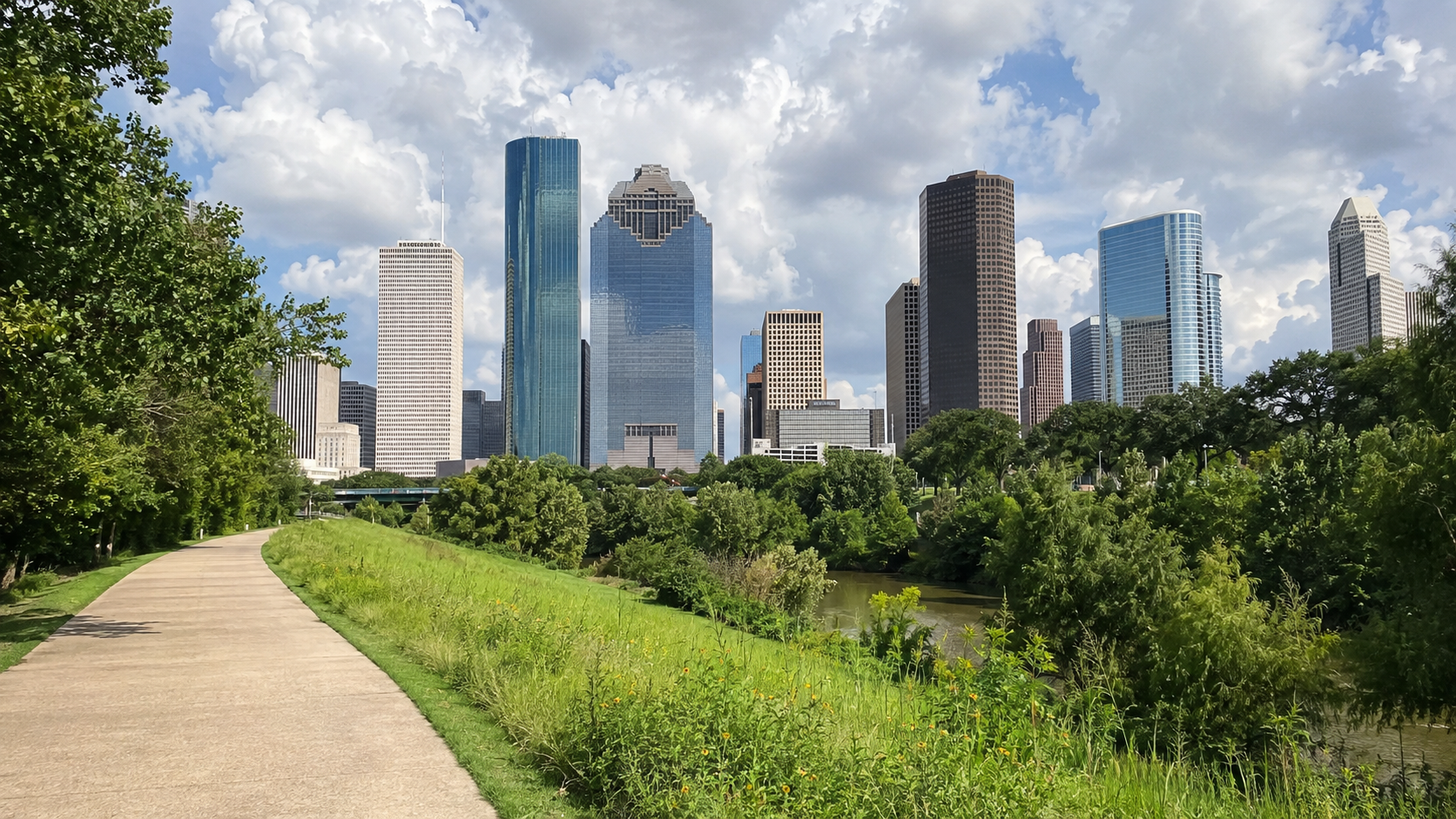
Buffalo Bayou area: convenient when trails and skyline views matter, but weather can reduce the value of that location.
An outer-area bargain may disappear after parking, fuel, and time. Map the specific property rather than trusting a broad neighborhood label.
Food and activity strategy
Houston’s culinary breadth is a reason to visit, but no single restaurant is essential. Select meals along the day’s route and leave enough time for one neighborhood rather than driving across the city for every recommendation. Build an indoor-heavy Museum District day, a Downtown–Buffalo Bayou day, or a separate Space Center excursion.
Confirm current admissions, reservations, bag policies, and accessibility on official operator sites. Public spaces can also have closures, event restrictions, or weather exposure.
Accessibility and weather backup
Ask lodging, venues, and transport operators about the exact entrance, elevator, drop-off point, seating, restroom, or sensory condition you need. Distances between a parking space, platform, and entrance can be significant, and heat makes a nominally short walk harder.
For rain or extreme heat, choose one or two museums near each other, a long meal in the neighborhood already planned, or a genuine hotel rest. Do not substitute a frantic series of distant indoor stops.
Common first-trip mistakes
Scheduling the Museum District, Space Center, and far-flung restaurants on the same day.
Choosing a hotel by price before calculating parking and rides.
Assuming every central district is comfortably walkable between every stop.
Leaving all outdoor time for one inflexible afternoon.
Forgetting a buffer for the airport or drive home.
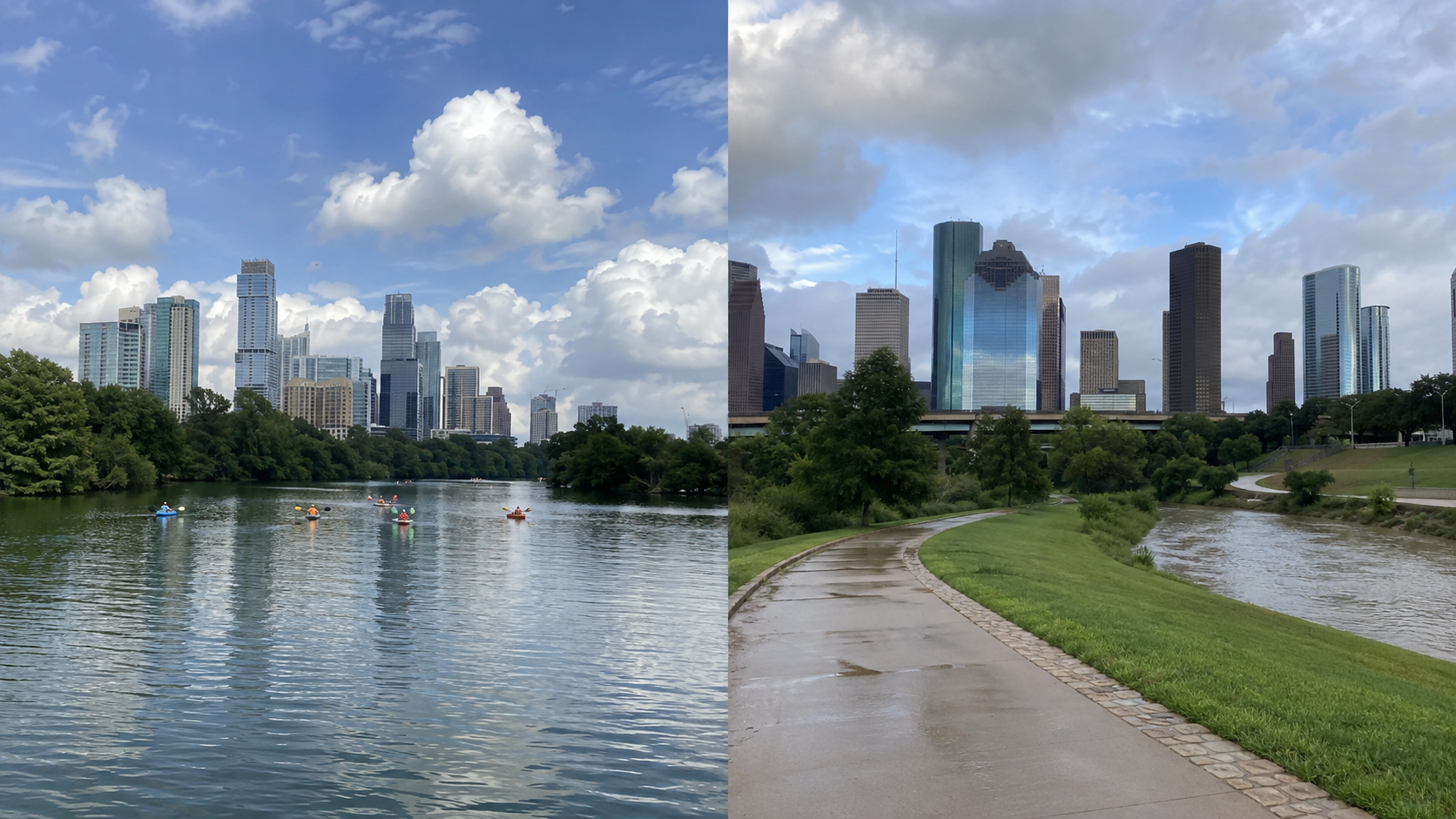
Choose Austin for a compact-feeling music-and-outdoors weekend with a casual rhythm. Choose Houston for deeper museum options, one of the country’s most varied food landscapes, and a larger trip built around carefully chosen districts.
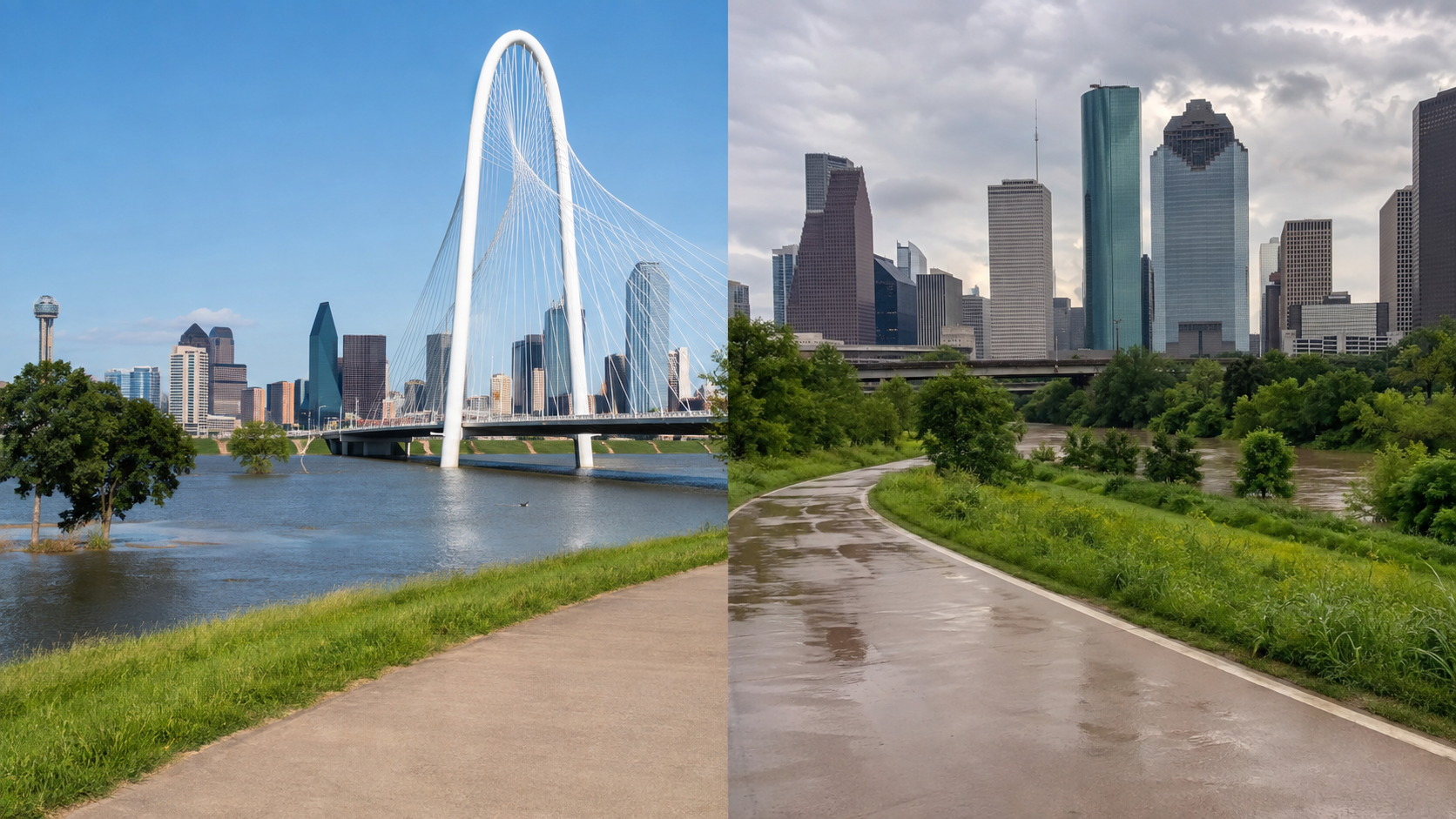
Choose Dallas for a more polished arts-and-architecture weekend that can be structured around central districts and rail. Choose Houston for broader culinary depth, expansive museum choices, and a highly diverse city that rewards neighborhood-by-neighborhood planning.
 comparison guide