 destination guide
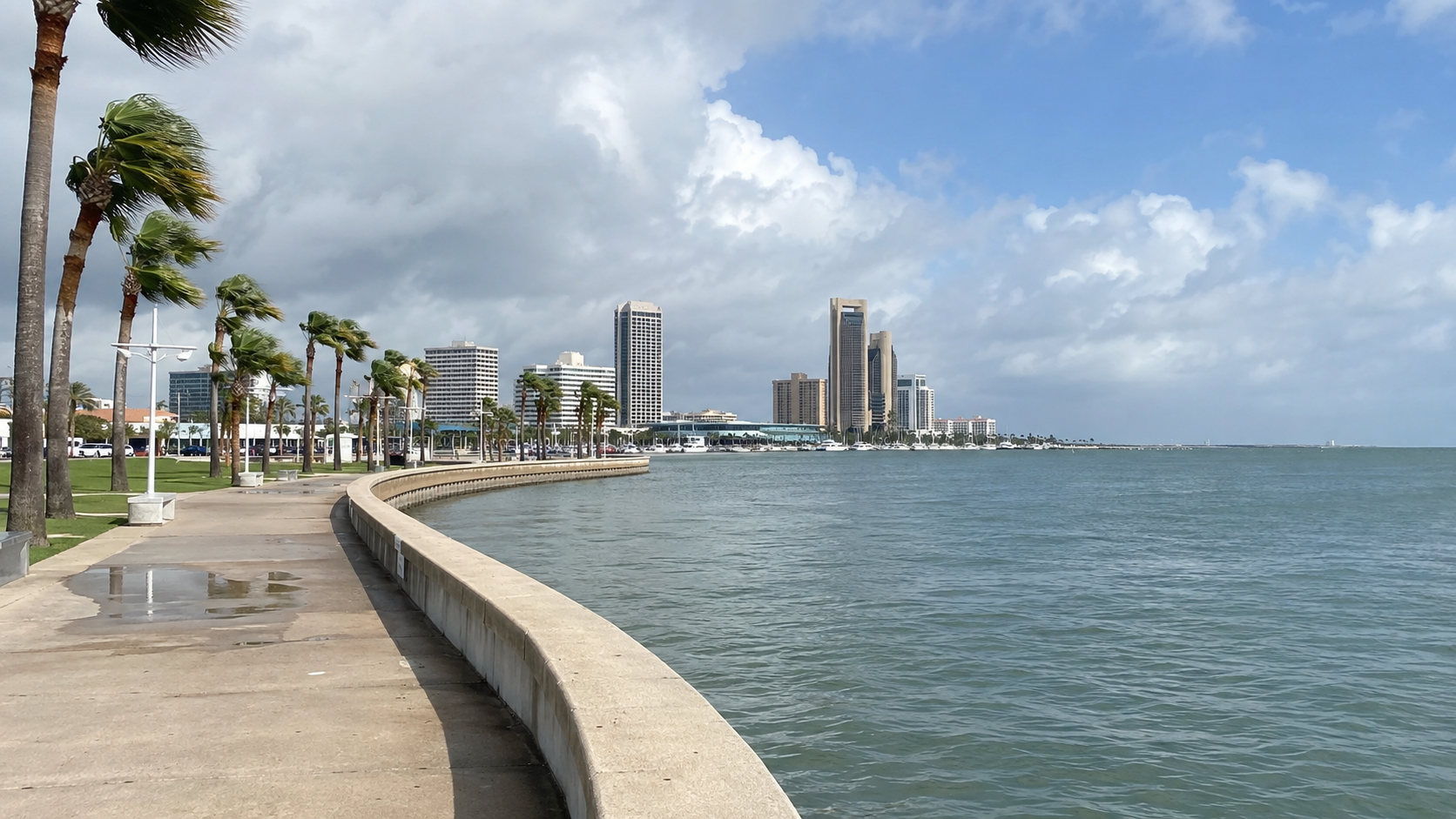
Corpus Christi Weekend Guide
Gulf air, bayfront walks, beaches, wildlife, and a slower coastal pace
a simple Central Texas road trip combining museums, river time, local food, and selective shopping
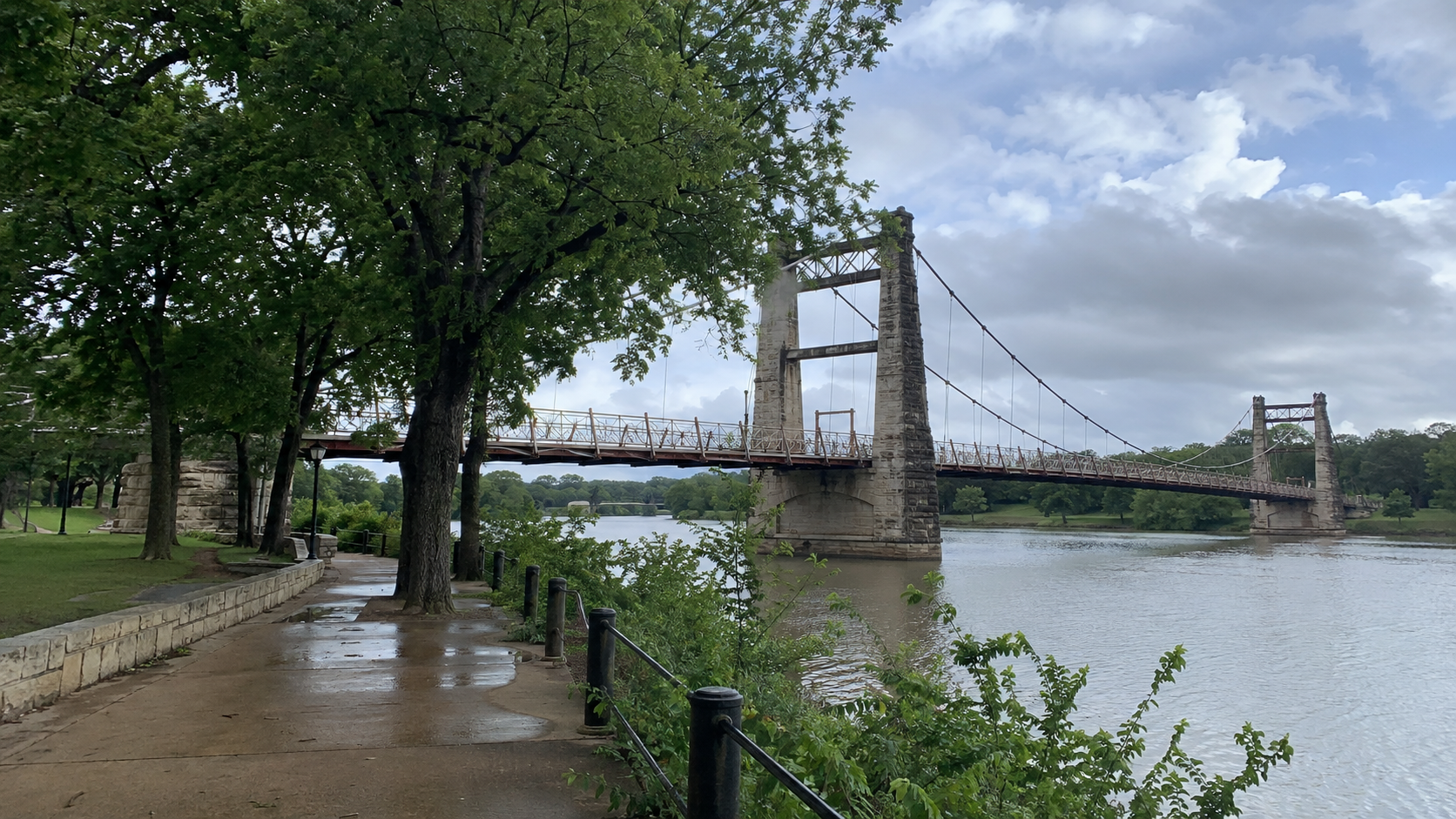
A simple Central Texas road trip combining museums, river time, local food, and selective shopping.
Two full days and two nights create a useful first visit; add a third day only if you have a distinct extra priority.
$430–$980 for two people sharing a midrange room for two nights, casual meals, local transport or parking, modest activities, and a buffer. Travel to the destination is excluded.
Read the transportation section before booking: the answer depends on your arrival point, base, and willingness to use rides.
first-time visitors, couples, solo travelers, weekend planners.
2–3 days. Editorial estimate: $430–$980 total for two people sharing one room for two nights, excluding travel to the city
Moderate. Helpful; see the route-specific guidance below.
Price the route for your dates, including the lodging total and local transportation. Confirm accessibility details directly with each place you plan to use.
Official starting points: Travel Texas · DriveTexas road conditions · National Weather Service
A Waco weekend works as a compact Central Texas road trip when you combine downtown and the riverfront, then choose either the Baylor area, Cameron Park, or a shopping-focused block as the second anchor. Magnolia-related stops can draw concentrated crowds, so they should be one deliberate part of the weekend rather than the organizing principle for every hour.
Waco suits travelers who want an approachable road trip with museums, river time, local food, and selective shopping. Families and first-time road trippers benefit from the relatively simple cluster strategy. It is less suitable for visitors expecting a fully car-free weekend or a major-city nightlife schedule.
Two nights give enough time for a downtown/riverfront day and one additional area. The editorial estimate is $430–$980 for two people sharing one room for two nights, excluding travel to Waco. It assumes moderate lodging, casual meals, local driving, modest activities, and a buffer.
The estimate is not a guaranteed low price. University dates, events, and high-demand weekends can change lodging and traffic; compare the total after taxes, parking, fees, and cancellation terms.
Spring, fall, and winter often make riverfront and park time more comfortable, but heat, storms, cold fronts, and high water can alter plans. Check the official forecast and local notices shortly before the trip. Move indoors or shorten the route when conditions warrant.
A car is helpful for reaching Cameron Park, the Baylor area, and lodging outside the core. Downtown and nearby riverfront stops can form a walkable block, but heat and street crossings still matter. If you plan a Magnolia-related visit, arrive with a parking and crowd strategy based on current official information rather than expecting the surrounding streets to be quiet.
Map the drive home before adding a final Sunday stop; the interstate portion can be tiring after a full day.
Confirm the property’s exact location, parking, fees, accessibility, and cancellation policy. A broad “Waco area” label is not enough to judge convenience.
Start with downtown and the Brazos riverfront, allowing time for one museum, market, or shopping priority. On the second day, choose the Baylor area for cultural or campus interests, or Cameron Park for trails and overlooks if weather and physical ability align. Magnolia-related shopping is best treated as a defined block; leave room to change plans if crowds exceed your comfort.
A museum, café, or long lunch can replace outdoor time. Confirm current hours, tickets, parking rules, and access directly rather than depending on an old itinerary.
River and park routes can include slopes, uneven surfaces, exposure, or longer distances than expected. Downtown crowd levels also affect sensory and mobility needs. Ask essential stops about entrances, elevators, restrooms, seating, service animals, and drop-off points.
See why Waco appears in cheap Texas getaway ideas, compare Fort Worth, or browse all Texas guides. Use the Travel Compass or request a Personalized Travel Blueprint for a plan matched to your dates and needs.
One room for two nights; the destination total above is the useful estimate because dates and events can shift this category.
Casual breakfasts and lunches, one fuller dinner, water and snacks for two.
Parking, fuel within the destination, transit, or limited rides; travel to the city is excluded.
A mix of free time and one or two admissions, plus flexibility for weather or route changes.
Tell Open Path your budget, dates, interests, travel style, and priorities. Receive a personalized plan that organizes the details for you.
Compare another route, destination, or travel style before you book.
destination guideGulf air, bayfront walks, beaches, wildlife, and a slower coastal pace
 destination guide
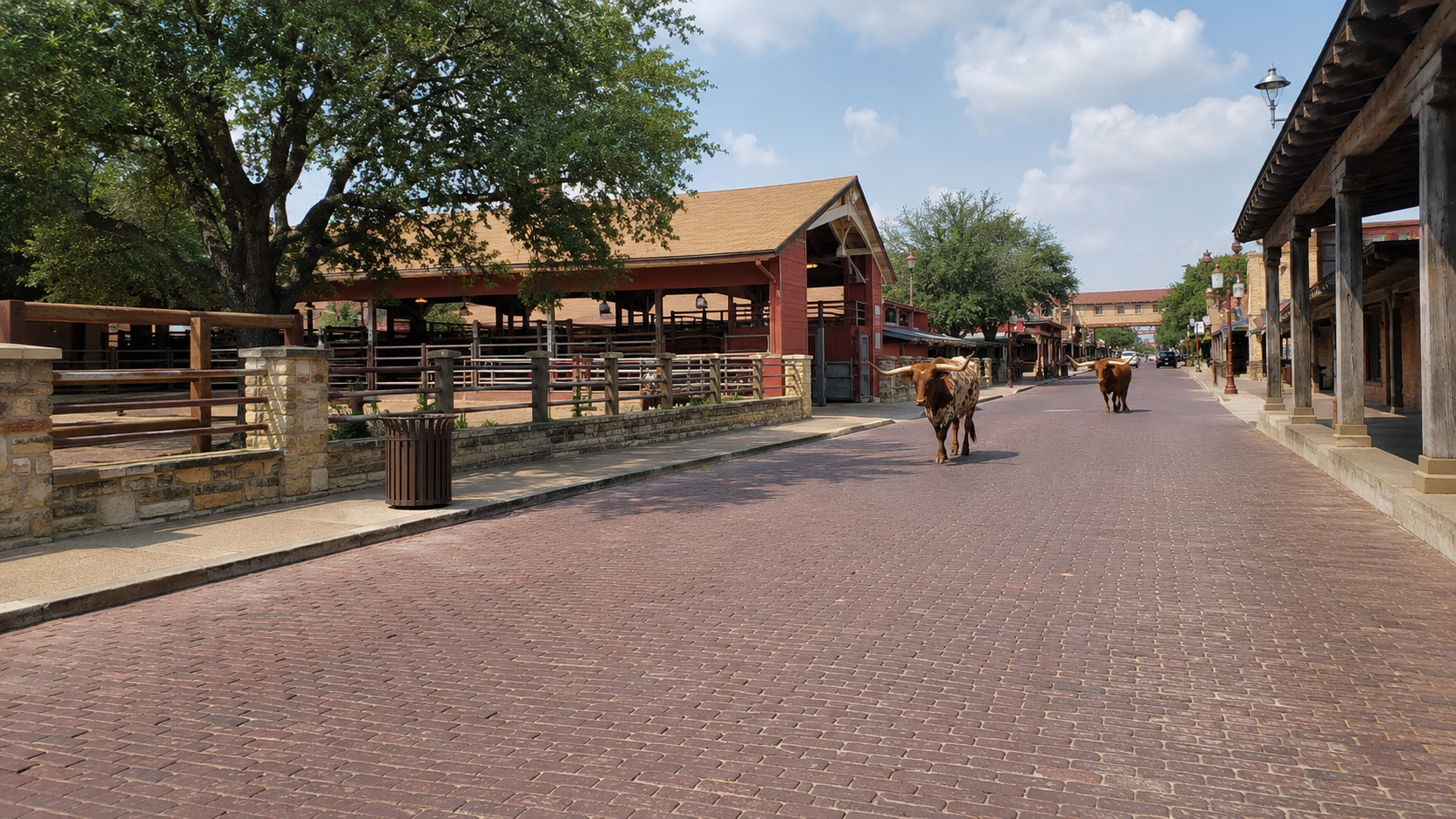
Western heritage, major art collections, walkable district time, and an unhurried city break
 destination guide
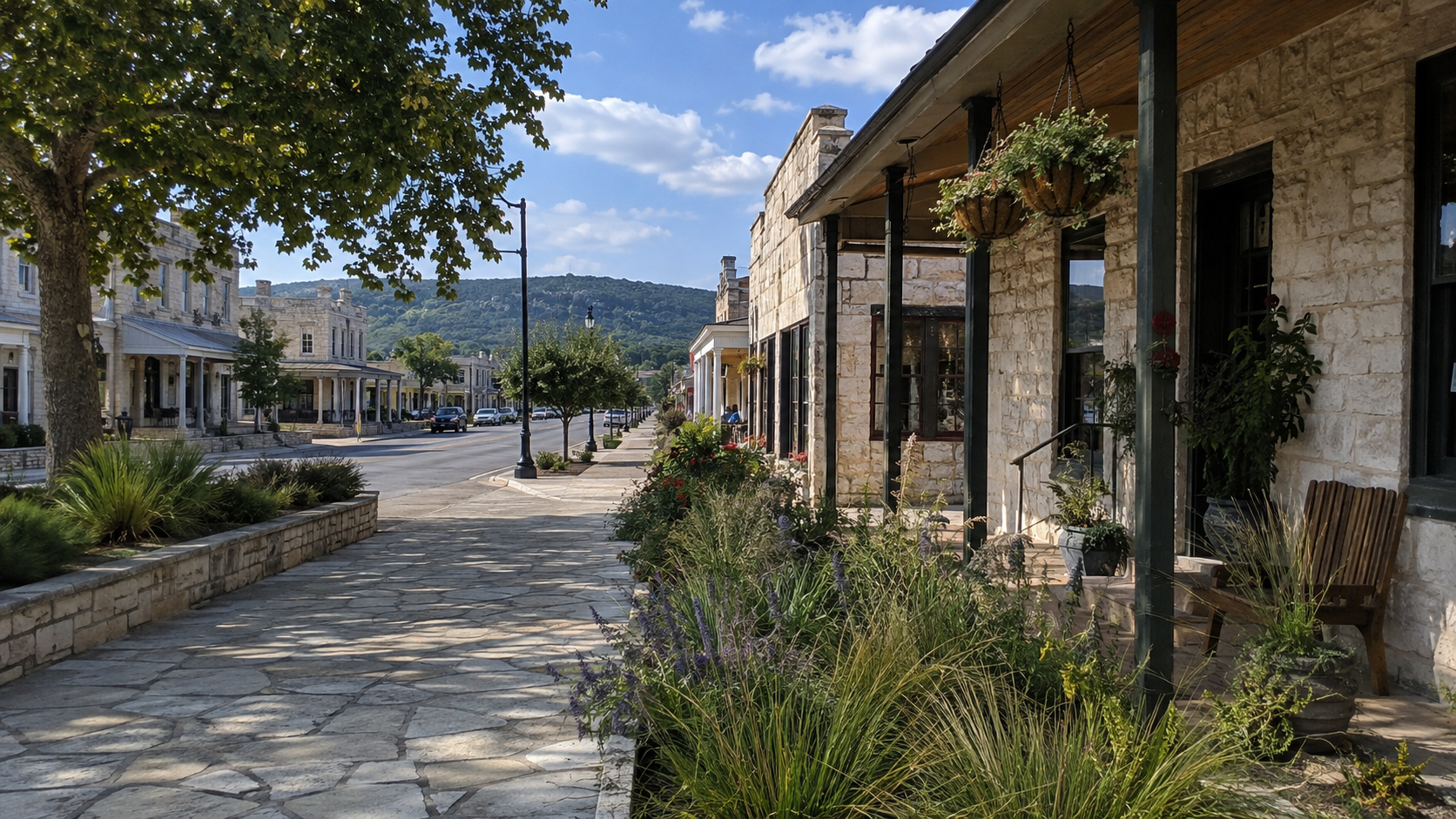
Hill Country scenery, German-Texan history, relaxed meals, and one countryside experience