 destination guide
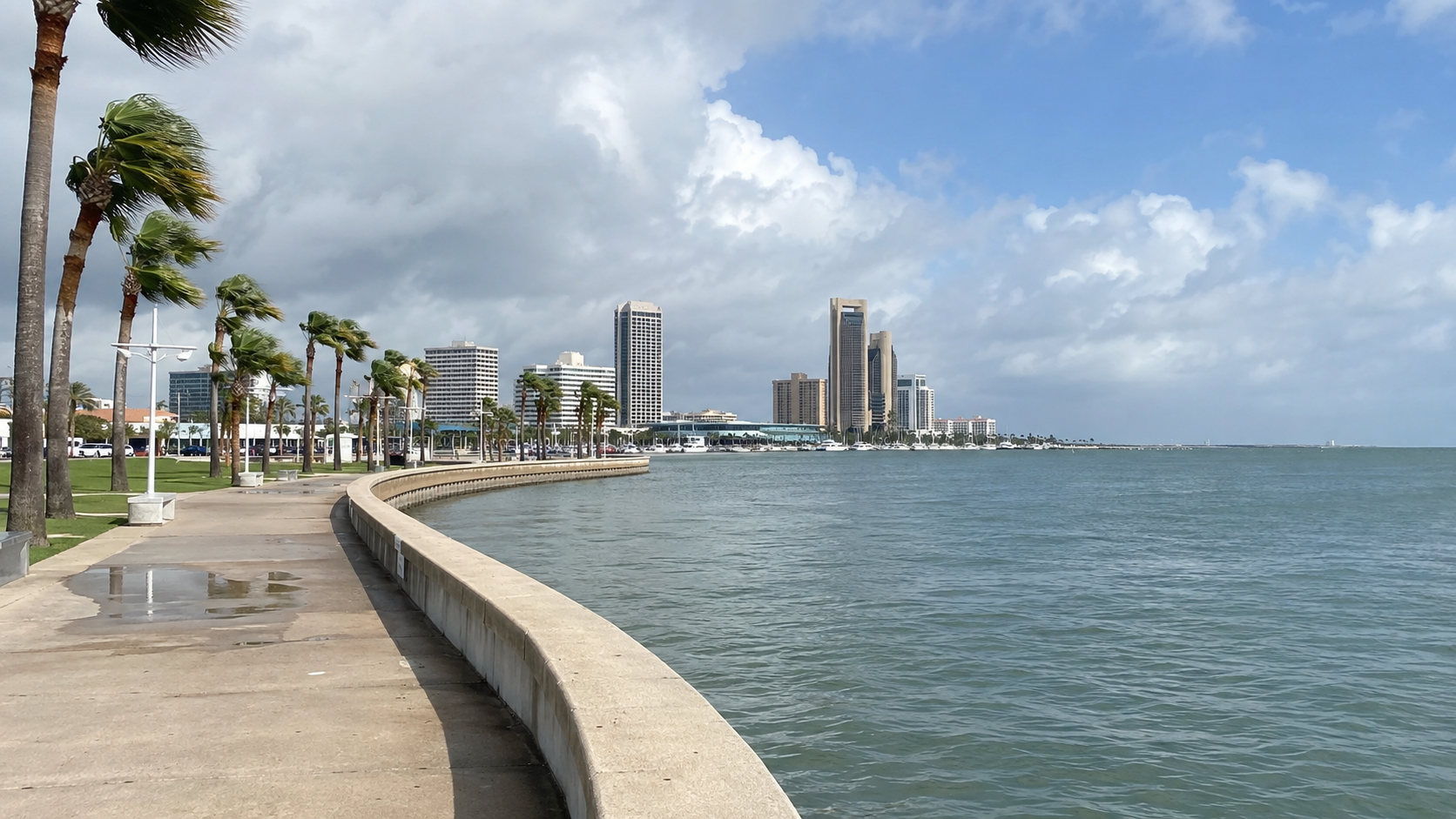
Corpus Christi Weekend Guide
Gulf air, bayfront walks, beaches, wildlife, and a slower coastal pace
Hill Country scenery, German-Texan history, relaxed meals, and one countryside experience
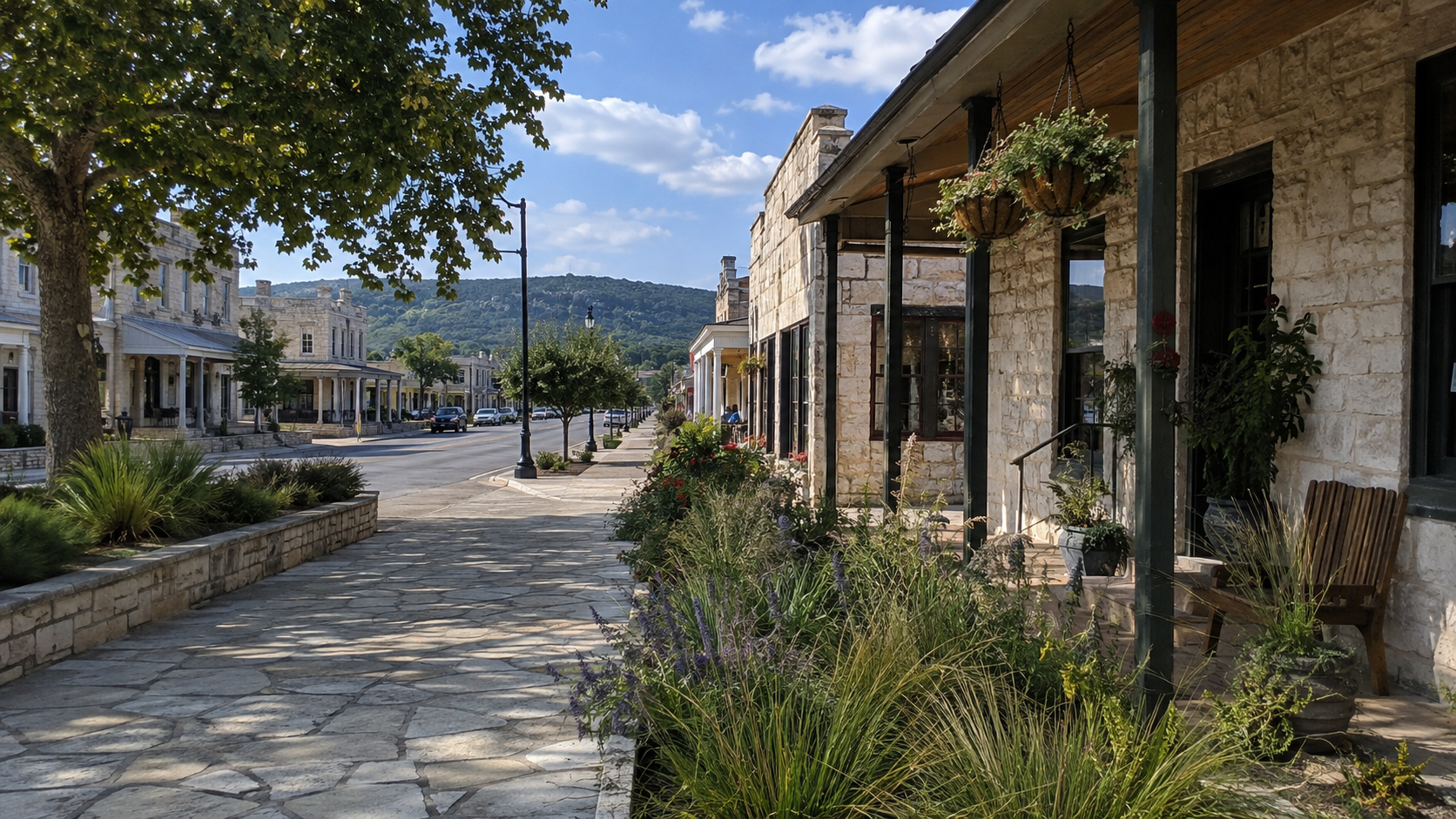
Hill Country scenery, German-Texan history, relaxed meals, and one countryside experience.
Two full days and two nights create a useful first visit; add a third day only if you have a distinct extra priority.
$590–$1,330 for two people sharing a midrange room for two nights, casual meals, local transport or parking, modest activities, and a buffer. Travel to the destination is excluded.
Read the transportation section before booking: the answer depends on your arrival point, base, and willingness to use rides.
first-time visitors, couples, solo travelers, weekend planners.
2–3 days. Editorial estimate: $590–$1,330 total for two people sharing one room for two nights, excluding travel to the city
Moderate. Helpful; see the route-specific guidance below.
Price the route for your dates, including the lodging total and local transportation. Confirm accessibility details directly with each place you plan to use.
Official starting points: Travel Texas · DriveTexas road conditions · National Weather Service
A Fredericksburg weekend getaway works best as one day centered on Main Street and German-Texan history, plus one carefully planned Hill Country outing. The town is compact at its core, but wineries, scenic roads, and Enchanted Rock are separate excursions. Trying to combine all of them in a single day undermines the slower pace that makes the trip appealing.
Choose Fredericksburg for small-town browsing, regional history, long meals, and countryside scenery. Couples and friends who want one planned experience with open time are a strong fit. Travelers expecting extensive public transportation should plan carefully: the central corridor and the surrounding Hill Country require different movement strategies.
Two nights allow one town-focused day and one countryside priority. The editorial estimate is $590–$1,330 for two people sharing one room for two nights, excluding travel to town. It covers non-luxury lodging, casual food with one fuller meal, local movement, modest activities, and a contingency allowance.
Treat that range as a comparison tool rather than a live price. Lodging demand, events, tasting choices, transportation, taxes, and fees can change the total; verify material costs and terms directly.
Spring, fall, and winter often offer more comfortable walking, while blooms, foliage, and temperatures vary from year to year. Summer heat can make exposed rock and roadside stops demanding. Check forecasts, fire or park notices, and road conditions near departure rather than building the trip around a seasonal promise.
Staying near Main Street can reduce driving for meals, shops, and historical stops. It does not eliminate the need for a plan if you visit wineries, Enchanted Rock, or other rural sites. Hill Country roads may be dark and unfamiliar after sunset, and mobile service may be inconsistent in places.
If tasting is part of the weekend, designate a sober driver or arrange suitable transportation in advance. Confirm its service area, pickup details, and cancellation terms; never assume on-demand rides will solve the return trip.
Before booking, check parking, mandatory fees, accessibility, and whether the property setup matches your arrival time and mobility needs.
Use the first day for Main Street, a museum or historical stop, and an unhurried meal. Give the second day to one countryside anchor. Enchanted Rock requires weather, physical-demand, parking, and any current entry requirements to be checked through official sources. A winery route requires equally deliberate transportation planning.
A gallery, history stop, café break, or extended meal can replace outdoor time. No particular business is necessary for a good visit.
Main Street distances, curb conditions, heat, and crowds can matter even on a compact route. Rural terrain may be uneven and exposed. Ask each essential venue and lodging provider about entrances, restrooms, seating, service animals, and drop-off access instead of relying on a town-wide label.
Compare the city energy of Austin or San Antonio, return to all Texas guides, or use the Travel Compass. For a route shaped around your priorities, request a Personalized Travel Blueprint.
One room for two nights; the destination total above is the useful estimate because dates and events can shift this category.
Casual breakfasts and lunches, one fuller dinner, water and snacks for two.
Parking, fuel within the destination, transit, or limited rides; travel to the city is excluded.
A mix of free time and one or two admissions, plus flexibility for weather or route changes.
Tell Open Path your budget, dates, interests, travel style, and priorities. Receive a personalized plan that organizes the details for you.
Compare another route, destination, or travel style before you book.
destination guideGulf air, bayfront walks, beaches, wildlife, and a slower coastal pace
 destination guide
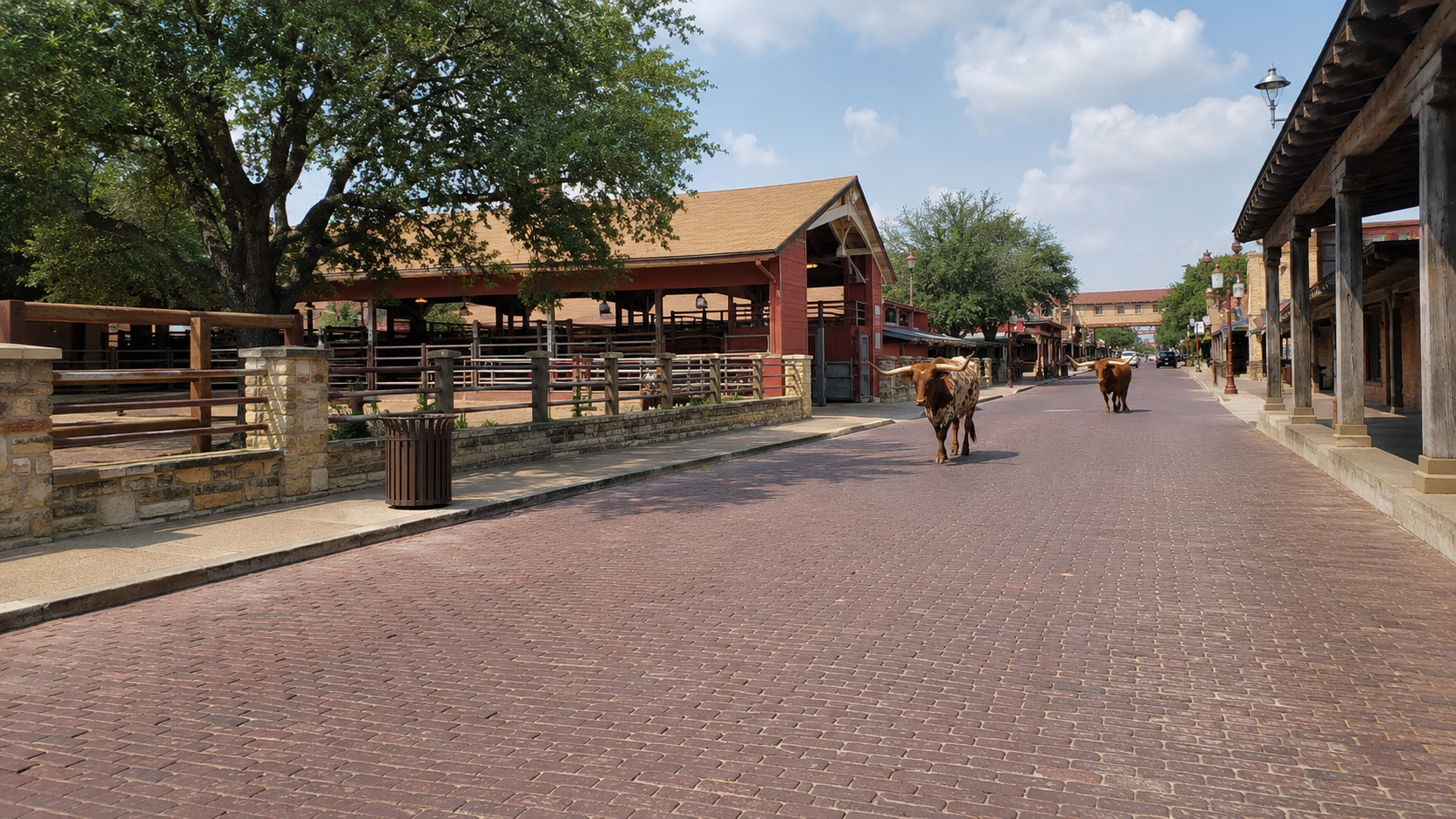
Western heritage, major art collections, walkable district time, and an unhurried city break
 destination guide
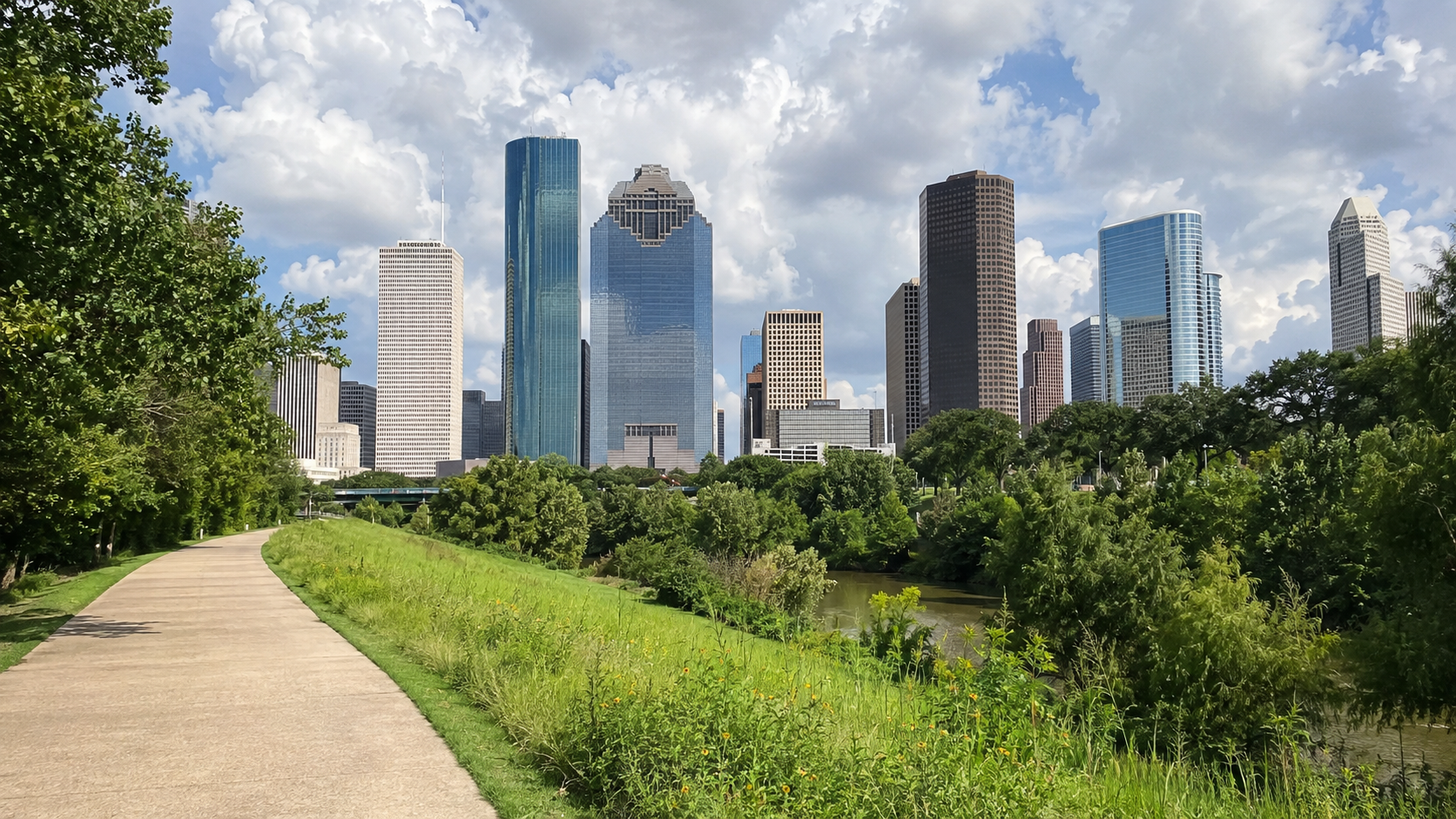
museums, ambitious food, parks, and big-city variety