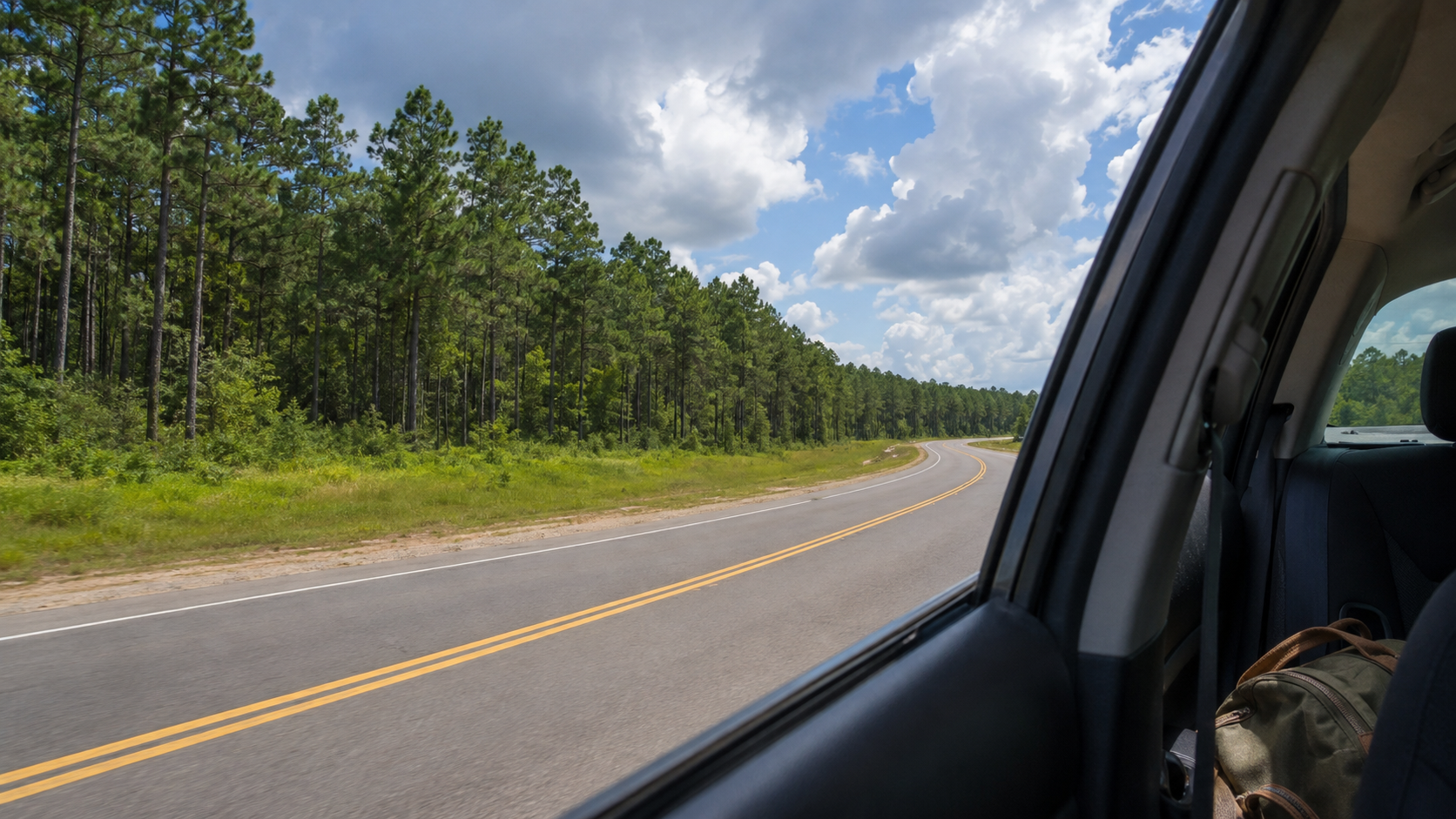
 roundup guide
Best Weekend Trips from Houston
Compare Houston weekend trips by travel time, complete cost, pace, and traveler fit, from Galveston to the Hill Country.
Compare Texas beaches for families, camping, nature, and easy weekends with honest notes on water, weather, cost, and access.
12–16 minute read
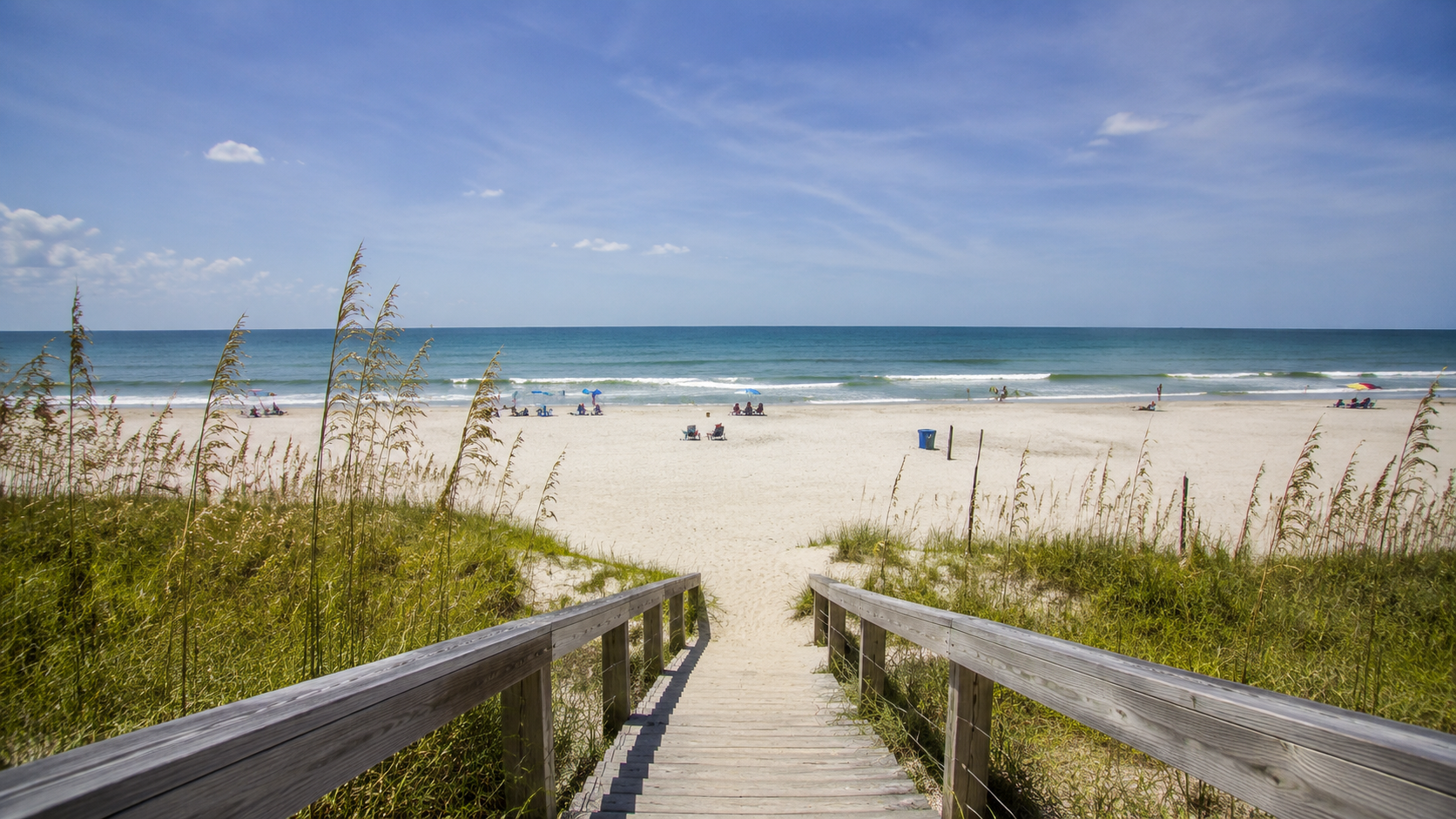
Travelers choosing a texas beach by conditions and trip style.
No. Every number is an editorial planning estimate; verify live totals and terms.
Set a complete-trip ceiling, then compare dates and transportation before booking.
The best Texas beach depends on the day and the traveler. Gulf water is often warm and the coast can be wonderfully relaxed, but clarity varies with wind, currents, sediment, and storms. Texas beaches also differ in vehicle access, facilities, lifeguard coverage, crowds, and distance from lodging. This guide makes those tradeoffs visible instead of promising Caribbean water or perfect conditions. Always check the local beach authority, weather, rip-current guidance, and posted flags on the day you visit.
Choose by the conditions and facilities you need, not by a permanent ranking. Families may prioritize lifeguards and restrooms; swimmers should check flags and surf guidance; travelers seeking quiet should examine access rules and the local calendar. Recheck official beach information on the morning of the visit.
A good choice should leave enough time and money for the purpose of the trip. Calculate the complete total, add a contingency, and ask whether the travel time still leaves useful hours. Verify decision-critical facts with parks, cities, hotels, carriers, and venues. Open Path does not guarantee price, availability, weather, access, or safety.
Planning context: Galveston Island.
Restrooms, seasonal services, and proximity to the city make this an approachable first coast day. It is not secluded, and paid parking or admission may apply. Arrive early, keep the group between staffed boundaries when available, and use Galveston’s museums as a weather backup.
Cost breakdown: Day trip for two from Houston: roughly $55–$180 for fuel, parking, food, and optional rentals. Two nights: about $385–$960.
Plan around: Crowds, extreme heat, storms, currents, and bacteria advisories can change plans. Lifeguard presence is seasonal, not a substitute for supervision.
Continue with the complete Open Path guide.
Planning context: Galveston Island.
The broad setting and event reputation suit adults and groups who want activity rather than quiet. Confirm current alcohol, parking, event, and operating policies before packing; rules can differ from other Galveston beaches. Designate a sober driver.
Cost breakdown: Similar Galveston day-trip costs, with event tickets or rides increasing the total.
Plan around: Large events change traffic and atmosphere. Open alcohol rules never remove responsibility, local restrictions, or water risk.
Continue with the complete Open Path guide.
Planning context: Brazoria County.
Surfside offers a less urban feel than central Galveston and works for travelers content with sand, a rental or basic motel, and limited extras. Beach-driving rules, pedestrian zones, parking permits, and vehicle conditions require current research.
Cost breakdown: Day trip for two: about $50–$160; two nights: roughly $350–$900 depending on rental and fees.
Plan around: Soft sand, tides, vehicles, limited shade, and fewer indoor backups add friction. Never drive where prohibited or beyond your vehicle’s capability.
Planning context: far Southeast Texas.
Sea Rim combines Gulf shoreline with coastal marsh, making it a strong birding and paddling choice. It is remote enough that water, food, fuel, insect protection, and a working weather check belong in the plan. Reserve entry or camping when required.
Cost breakdown: Day visit for two: about $35–$120 before a long drive; camping equipment and paddling add cost.
Plan around: Alligators, insects, heat, storms, and limited services demand more preparation than an urban beach.
Planning context: Rockport.
Rockport’s bay setting and facilities can suit families who prioritize an organized beach day over surf. The town also supplies galleries, food, and wildlife outings for a complete weekend. Confirm current access and water-quality information.
Cost breakdown: Two nights for two: roughly $400–$1,000 including room, meals, local transport, and beach costs.
Plan around: Bay conditions still change, and tropical weather affects the entire region. “Calmer” never means risk-free.
Planning context: near Port Aransas.
Mustang Island works for campers and travelers who want more shoreline than city infrastructure. Reserve campsites, understand beach access, and bring shade and water. Port Aransas can supply restaurants and lodging if camping is not your style.
Cost breakdown: Day visit for two: $40–$130; two-night camping or lodging weekend: about $220–$950.
Plan around: Wind, sand, salt, mosquitoes, and storms punish inadequate gear. Verify park alerts and camping rules.
Planning context: Mustang Island.
Port Aransas balances broad beaches with restaurants, rentals, and excursions. It is easier to fill two days here than at a remote access point, but ferry waits, high-season lodging, and local driving matter. Choose a base close to your priority.
Cost breakdown: Two nights for two: roughly $500–$1,200 including lodging, meals, local movement, and one modest activity.
Plan around: Holiday crowds, ferry delays, storms, and beach-driving conditions can reshape arrival and departure.
Planning context: southeast of Corpus Christi.
This protected coast is the choice for nature, dark skies, birding, and long undeveloped views. The visitor center area is the approachable start. Driving farther south becomes a serious four-wheel-drive and self-recovery decision—not a casual rental-car adventure.
Cost breakdown: Day visit from Corpus Christi: about $45–$150 for entry, fuel, food, and supplies; camping adds equipment costs.
Plan around: Remote driving, tides, heat, wildlife nesting, lack of services, and cell gaps require official current guidance.
Continue with the complete Open Path guide.
Planning context: Lower Texas Coast.
South Padre offers beach services, watersports, lodging range, and wildlife attractions. It suits travelers willing to make a longer drive or fly into the region. Choose between a lively central base and a quieter northern location rather than commuting repeatedly.
Cost breakdown: Two nights for two: roughly $550–$1,350 before long-distance arrival.
Plan around: Spring-break periods, hurricane season, rip currents, heat, and high-demand rates matter. Check event dates before booking.
Use a simple worksheet with six rows: arrival transportation, lodging after mandatory fees, local transportation, food, activities, and contingency. Enter the total for every traveler, then note what is excluded. If two people share a room but pay separately for transport, do not describe the whole trip as a per-person room rate. Consistent units prevent misleading comparisons.
For a road trip, estimate mileage from your actual address, your vehicle’s realistic efficiency, expected fuel or charging price, tolls, parking, and stops. For a flight, add baggage, seat selection if needed, airport transfers on both ends, and parking or transit at home. For lodging, continue to the final screen before purchase to see taxes and mandatory charges, but do not book until the route works.
The contingency is not souvenir money. Hold 10–15 percent for a weather pivot, an unexpected meal, a missed connection, or a safe ride. If setting aside that buffer breaks the budget, shorten the trip or change the plan before buying anything.
Name the two experiences that would make the trip worthwhile. Put them on a map and select a base that reduces backtracking. Everything else is optional. This protects both money and energy and gives bad weather less power over the entire weekend.
Walking distance on a map does not describe shade, curb cuts, surface quality, restroom availability, noise, seating, or elevation. Contact the relevant operator for current details. Budget for a closer room, accessible parking, or a ride when it makes the trip workable; access is not an optional upgrade.
Heat, thunderstorms, tropical systems, freezes, wind, and flooding can close the activity you expected to be free. Choose one indoor or flexible alternative and prefer terms that match the risk. Never cross a barricade or enter moving water to protect a reservation.
Cutting every category evenly often produces a trip no one enjoys. If food is the purpose, stay somewhere simple and reserve money for one excellent meal. If rest is the purpose, pay for the quiet room and skip admissions. A budget is a values document as much as a spreadsheet.
No. They are editorial scenarios that show what to include and how options compare. They are not quotes or guarantees. Search your dates and read the final terms immediately before booking.
No. The answer depends on distance, number of travelers, vehicle, parking, tolls, and available alternatives. Compare door-to-door totals and usable destination hours, not fuel against airfare alone.
Start early enough to compare rather than panic-buy. Reserve genuinely scarce transport, lodging, permits, or must-do activities after the complete trip fits. Flexible everyday stops rarely need to be prepaid.
Use the Open Path Travel Compass to compare your budget, travel confidence, preferred pace, interests, and transportation needs. Then browse all Texas travel guides and open the relevant destination guide before booking.
A useful plan narrows choices without pretending uncertainty has disappeared. Put your real constraints into the Open Path Travel Compass. It will help you choose a destination that fits; the linked Texas guides can then turn that match into a practical route.
Compare another route, destination, or travel style before you book.
roundup guideCompare Houston weekend trips by travel time, complete cost, pace, and traveler fit, from Galveston to the Hill Country.
 roundup guide
Compare low-cost Texas weekends using complete trip estimates, free anchors, compact routes, and honest transportation tradeoffs.
 roundup guide
Explore overlooked Texas parks, small towns, history, art, and coast stops with responsible access and realistic route advice.