 roundup guide
Best Texas Beaches for Every Kind of Coast Trip
Compare Texas beaches for families, camping, nature, and easy weekends with honest notes on water, weather, cost, and access.
Explore overlooked Texas parks, small towns, history, art, and coast stops with responsible access and realistic route advice.
12–16 minute read
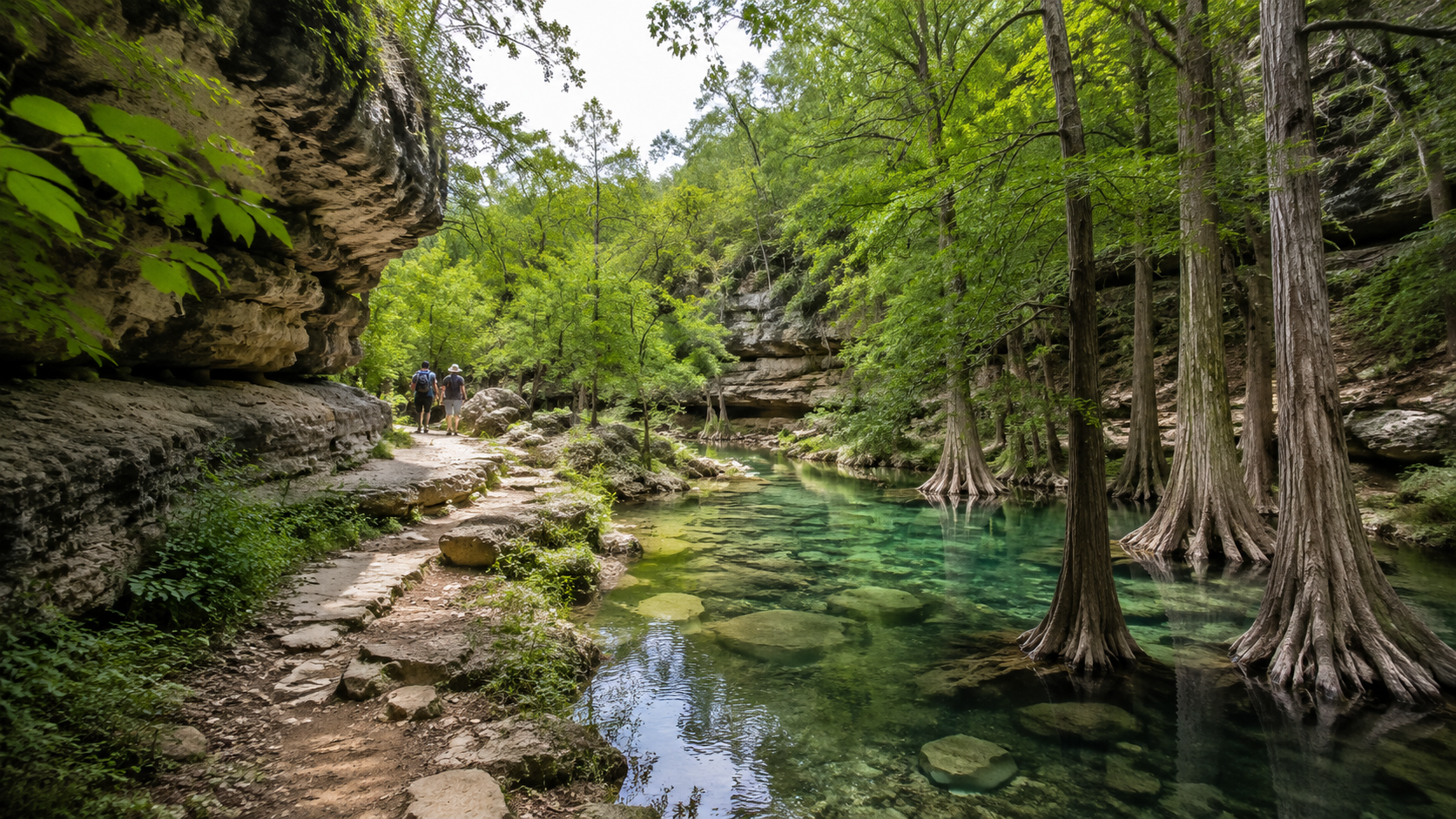
Curious texas road trippers who prefer quieter, specific stops.
No. Every number is an editorial planning estimate; verify live totals and terms.
Set a complete-trip ceiling, then compare dates and transportation before booking.
“Hidden gem” should not mean trespassing, overwhelming a fragile place, or pretending locals have kept a secret for visitors. Here it means a worthwhile Texas stop that is often missed on first-trip itineraries. Some are small towns; others are landscapes, museums, or public art. Conditions, access rules, fees, and hours change, so use each idea as a route lead and verify it with the managing organization before leaving.
Treat “hidden gem” as a prompt to look beyond the usual first-trip circuit, not as a promise of secrecy. These places differ in access, services, and how much planning they require. Pick one that serves a specific interest and confirm that its hours, roads, permits, and nearby lodging work for your dates.
A good choice should leave enough time and money for the purpose of the trip. Calculate the complete total, add a contingency, and ask whether the travel time still leaves useful hours. Verify decision-critical facts with parks, cities, hotels, carriers, and venues. Open Path does not guarantee price, availability, weather, access, or safety.
Planning context: East Texas.
The maze of bayous and bald cypress feels unlike stereotypical Texas. A guided paddle can reduce navigation stress, while trails and shore views offer a lower-commitment visit. Reserve park entry and rentals when required; bring insect protection and a weather plan.
Cost breakdown: Day use and a simple meal can fit roughly $25–$90 for two before transport; paddling, guiding, or lodging raises the total.
Plan around: Water levels, storms, heat, wildlife, and navigation matter. Stay on legal public routes and follow park guidance.
Planning context: near Caddo Lake.
Jefferson works as a slow historic-town base, especially paired with Caddo Lake rather than treated as a long standalone drive. Read beyond nostalgic storefronts: seek museums and interpretation that explain river commerce and the communities who shaped the region.
Cost breakdown: A day visit can be $30–$120 for two; add $180–$450 for two lodging nights and meals.
Plan around: Small-town opening hours vary. Confirm accessibility in historic buildings and avoid expecting every attraction to open midweek.
Planning context: between Austin and San Antonio.
Dwarf palmettos, water, and shaded trails create a compact nature break that fits a larger Central Texas route. It is more useful as a half-day reset than a destination packed with attractions. Reserve entry when advised and match trail length to heat and mobility.
Cost breakdown: Roughly $20–$70 for two including entry, picnic supplies, and local fuel.
Plan around: Humidity, mosquitoes, flooding, and trail conditions change the experience. Leave plants and wildlife untouched.
Planning context: west of San Angelo.
This culturally important site demonstrates why “hidden” does not mean freely accessible. Visits are arranged through the property’s authorized process. Go to learn respectfully, not to geotag or touch irreplaceable images. Pair it with San Angelo only after confirming availability.
Cost breakdown: Expect an origin-specific day-trip budget; confirm current tour pricing directly and add fuel, water, and meals.
Plan around: Access is controlled, weather is exposed, and touching or marking rock art causes permanent harm.
Planning context: Far West Texas.
Marfa becomes more rewarding when visitors reserve art access, read local context, and allow for long distances. It is not a quick detour from most Texas cities. Combine it with Alpine or Fort Davis only if nights and fuel stops make the route safe and humane.
Cost breakdown: Two nights for two commonly require a planning allowance of $500–$1,300 before the long drive.
Plan around: Hours can be limited, lodging can spike, cell service is uneven, and desert temperatures swing. Do not enter private property for a photograph.
Planning context: Fort Davis.
The preserved fort rewards visitors who engage with interpretation about soldiers, civilians, Indigenous peoples, and westward expansion rather than using it only as scenery. Its mountain setting pairs naturally with Davis Mountains drives and the McDonald Observatory area.
Cost breakdown: A half day can fit $30–$100 for two before lodging; confirm current federal fees.
Plan around: Elevation, sun, wind, and uneven historic surfaces affect access. Check official alerts and operating hours.
Planning context: near Toyahvale.
The pool is memorable precisely because it is a limited resource. It requires advance confirmation, responsible water use, and a backup when capacity, maintenance, or weather intervenes. It belongs on a West Texas itinerary, not a rushed cross-state day trip.
Cost breakdown: Entry and picnic costs may fit $25–$80 for two; lodging and the West Texas drive dominate the trip budget.
Plan around: Never assume swimming availability. Verify reservations, closures, rules, and water conditions with Texas Parks and Wildlife.
Planning context: Middle Texas Coast.
These neighboring communities suit travelers who value birding, harbor views, galleries, and a slower coast more than amusement density. Use one base, include shade and storm backups, and treat wildlife habitat as habitat rather than a photo set.
Cost breakdown: Two nights for two: roughly $400–$1,000 including room, food, local movement, and modest activities.
Plan around: Hurricane season, heat, wind, and birding seasons shape the trip. Observe wildlife from appropriate distances.
Planning context: west of Houston.
A privately operated castle tour can turn Bellville into a playful day trip, but access is not spontaneous. Confirm the reservation process directly, arrive on time, and pair it with the town rather than roaming private roads looking for the property.
Cost breakdown: A two-person day often fits $60–$170 after admission, fuel from Houston, and lunch; verify live pricing.
Plan around: Private-property rules and scheduled access are nonnegotiable. This is not an exterior drive-by attraction.
Use a simple worksheet with six rows: arrival transportation, lodging after mandatory fees, local transportation, food, activities, and contingency. Enter the total for every traveler, then note what is excluded. If two people share a room but pay separately for transport, do not describe the whole trip as a per-person room rate. Consistent units prevent misleading comparisons.
For a road trip, estimate mileage from your actual address, your vehicle’s realistic efficiency, expected fuel or charging price, tolls, parking, and stops. For a flight, add baggage, seat selection if needed, airport transfers on both ends, and parking or transit at home. For lodging, continue to the final screen before purchase to see taxes and mandatory charges, but do not book until the route works.
The contingency is not souvenir money. Hold 10–15 percent for a weather pivot, an unexpected meal, a missed connection, or a safe ride. If setting aside that buffer breaks the budget, shorten the trip or change the plan before buying anything.
Name the two experiences that would make the trip worthwhile. Put them on a map and select a base that reduces backtracking. Everything else is optional. This protects both money and energy and gives bad weather less power over the entire weekend.
Walking distance on a map does not describe shade, curb cuts, surface quality, restroom availability, noise, seating, or elevation. Contact the relevant operator for current details. Budget for a closer room, accessible parking, or a ride when it makes the trip workable; access is not an optional upgrade.
Heat, thunderstorms, tropical systems, freezes, wind, and flooding can close the activity you expected to be free. Choose one indoor or flexible alternative and prefer terms that match the risk. Never cross a barricade or enter moving water to protect a reservation.
Cutting every category evenly often produces a trip no one enjoys. If food is the purpose, stay somewhere simple and reserve money for one excellent meal. If rest is the purpose, pay for the quiet room and skip admissions. A budget is a values document as much as a spreadsheet.
No. They are editorial scenarios that show what to include and how options compare. They are not quotes or guarantees. Search your dates and read the final terms immediately before booking.
No. The answer depends on distance, number of travelers, vehicle, parking, tolls, and available alternatives. Compare door-to-door totals and usable destination hours, not fuel against airfare alone.
Start early enough to compare rather than panic-buy. Reserve genuinely scarce transport, lodging, permits, or must-do activities after the complete trip fits. Flexible everyday stops rarely need to be prepaid.
Use the Open Path Travel Compass to compare your budget, travel confidence, preferred pace, interests, and transportation needs. Then browse all Texas travel guides and open the relevant destination guide before booking.
A useful plan narrows choices without pretending uncertainty has disappeared. Put your real constraints into the Open Path Travel Compass. It will help you choose a destination that fits; the linked Texas guides can then turn that match into a practical route.
Compare another route, destination, or travel style before you book.
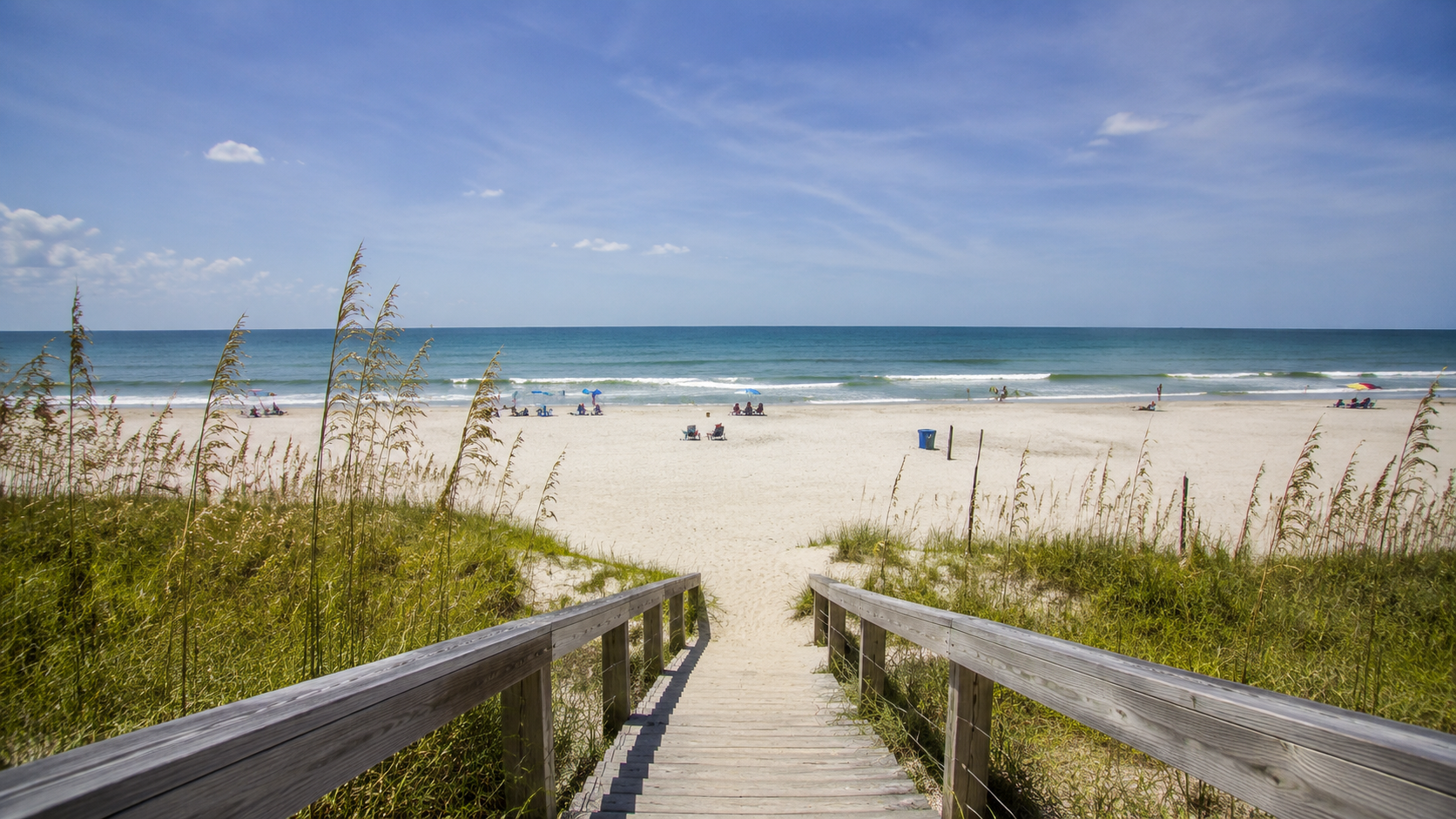
roundup guideCompare Texas beaches for families, camping, nature, and easy weekends with honest notes on water, weather, cost, and access.
 roundup guide
Compare Houston weekend trips by travel time, complete cost, pace, and traveler fit, from Galveston to the Hill Country.
 roundup guide
Compare low-cost Texas weekends using complete trip estimates, free anchors, compact routes, and honest transportation tradeoffs.