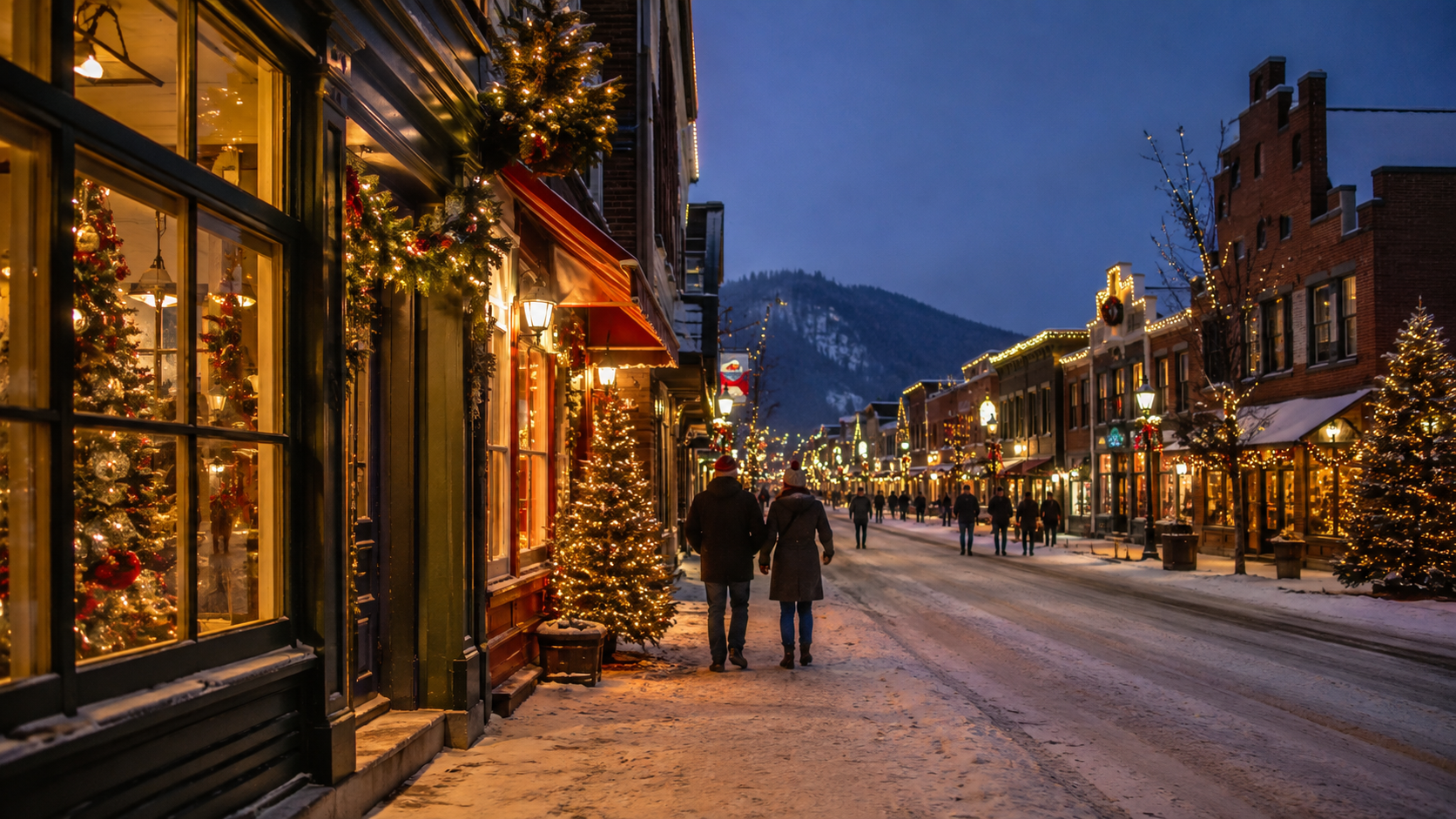
 article guide
Best Christmas Towns to Visit in America
Compare Christmas towns in America for lights, markets, snow, and family trips, with honest guidance on dates, weather, crowds, and costs.
Compare U.S. winter weekend trips for snow, sun, cities, and cozy towns, with practical advice on weather, roads, budgets, and short stays.
17–22 minute read
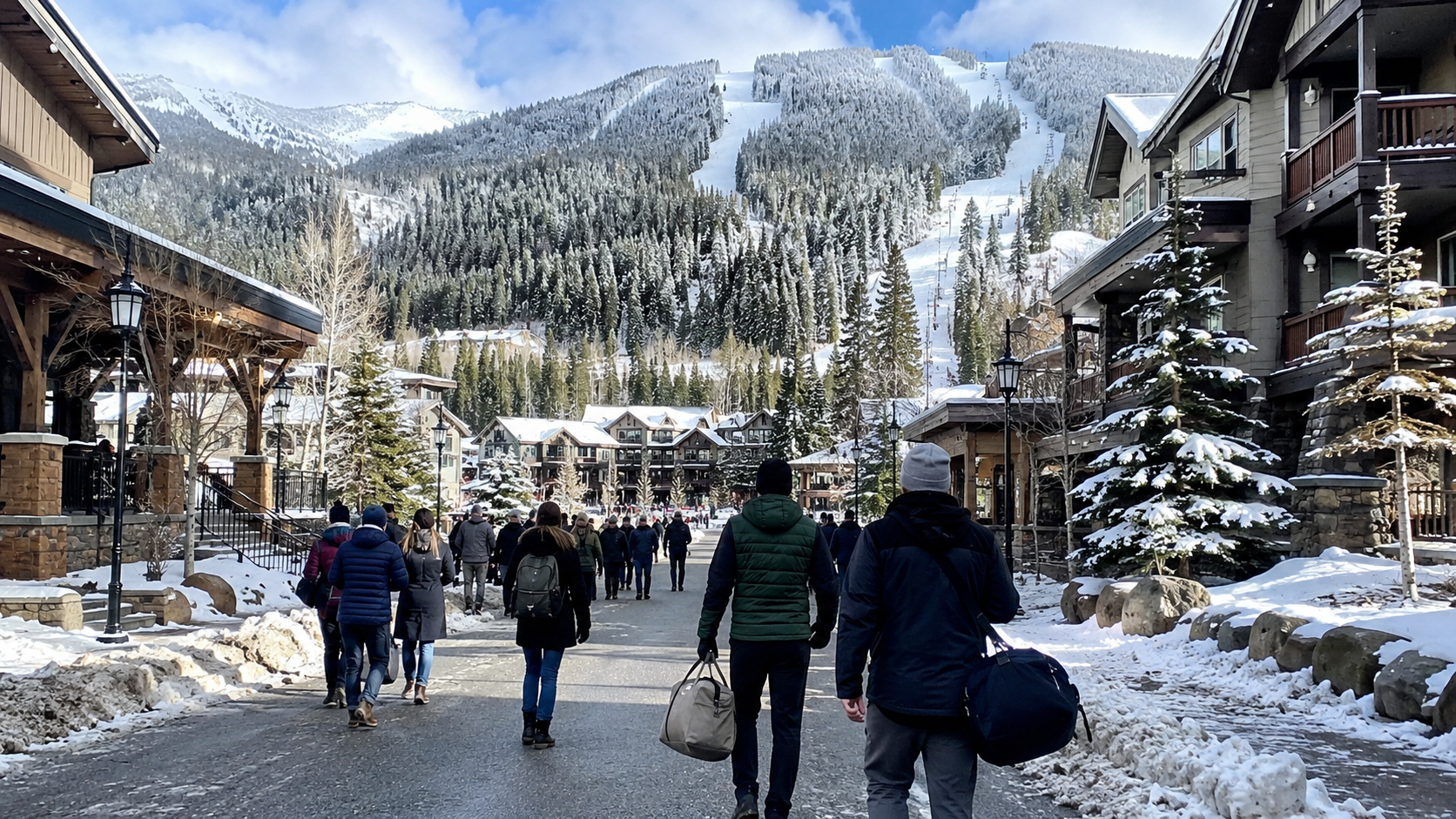
New York City, Chicago, and selected central areas of New Orleans can work, subject to current transit and weather conditions.
San Diego and San Antonio are often milder than northern cities, but rain, cold fronts, wind, and cool nights still occur.
Only with current road knowledge, a suitable vehicle and equipment, and confidence in those conditions; otherwise choose a city base or professional transport.
Quick answer: Pick New York City or Chicago for museums and food with winter atmosphere; Santa Fe for art and high-desert culture; San Antonio or San Diego for a milder city break; Colorado Springs for a mountain gateway; or New Orleans for food and music. A two-night winter weekend should minimize transfers and remain worthwhile if weather cancels the centerpiece.
A winter weekend should match your tolerance for cold and disruption. Snow can be the purpose of one trip and the problem with another; a mild city break may offer more usable hours. Compare daylight, road comfort, indoor alternatives, and cancellation terms before treating a seasonal image as a plan. Use the Travel Compass if you want help narrowing the fit.
These choices cover several kinds of winter weekend rather than repeating one photogenic formula. The list balances cities with rural landscapes, car-free possibilities with road winter weekends, active days with easy weekends, and famous places with alternatives that serve a specific weekend traveler well. Each winter base has enough depth to survive imperfect weather. Seasonal character matters, but it is never the only reason to go.
We favored practical differences: how long a visit needs, whether local transportation is manageable, what can derail the plan, and whether an indoor or lower-intensity alternative exists. “Best” therefore means a strong match for a stated purpose—not a ranking based on live reviews, prices, or personal anecdotes.
Use the disclosure below to collapse the table after you have made a shortlist. The weekend planning windows describe general patterns, not forecasts or promises.
| winter base | Strongest fit | Typical winter weekend | Transportation reality | Watch for |
|---|---|---|---|---|
| New York City | Museums, food, performances | 2–4 days | Transit | Cold, storms, holiday/event demand |
| Santa Fe | Art, food, high desert | 3–4 days | Core is compact; outings need weekend planning | Altitude, ice, cold nights |
| San Diego | Mild coast and city | 3–4 days | Car optional when focused | Rain, cool ocean, neighborhood distance |
| San Antonio | History and food | 2–3 days | Compact central plan possible | Cold fronts, heat swings |
| Colorado Springs | Mountain scenery from a city | 3–4 days | Car often useful | Snow, altitude, road conditions |
| New Orleans | Music and culture | 2–4 days | Walk/transit in a focused core | Events, rain, cold snaps |
| Chicago | Architecture and indoor depth | 2–4 days | Transit | Wind chill, snow, delays |
| Tucson | Desert walks and food | 3–4 days | Car useful | Cold nights, sun, mountain snow |
Museums, performances, food, and neighborhoods make New York resilient when cold or snow shortens outdoor time. Group each day by area; commuting across the city between every reservation makes a short break feel like work.
Snow can delay flights and alter sidewalks or transit. Wear footwear with suitable traction and check accessibility and service status. Holiday weeks and major events require separate price comparisons.
Santa Fe combines museums, galleries, regional food, and architecture in a relatively focused core. Its elevation surprises visitors: exertion can feel harder, nights are cold, and snow or ice can affect roads.
Allow acclimatization and avoid turning a weekend into a long mountain-driving loop. Engage respectfully with the region’s Indigenous and Hispanic histories and buy art through reputable, transparent sources.
The city offers parks, museums, neighborhoods, and coastal walks, so the winter weekend need not depend on swimming. Winter rain, wind, cool water, high surf, or water-quality advisories can still interrupt beach plans.
Use the San Diego weekend guide to limit geography. A car is not automatically useful if parking and traffic outweigh one distant outing.
Historic sites, food, museums, and the River Walk can support a compact visit. “Mild” is relative: sharp cold fronts and temperature swings call for layers and a checked forecast.
Our San Antonio first-time weekend keeps the route manageable. Give the missions their full historical context and avoid treating the whole city as walkable.
A city base offers scenic and indoor options while still placing winter landscapes within reach. It does not remove altitude, ice, snow, wildfire history, or mountain road risk.
Check conditions and vehicle rules instead of assuming a rental includes suitable tires. The Colorado Springs guide helps identify realistic combinations.
New Orleans provides a culture-centered weekend that does not need sunny weather. Rain and cold snaps occur, and Carnival timing or major events can transform crowds, access, and pricing.
The New Orleans guide favors a compact first visit. Confirm venue age and entry rules, listen respectfully, and arrange the evening return before going out.
Winter can reward weekend travelers who genuinely enjoy museums, architecture, restaurants, and performances and are comfortable with cold. It should not be marketed as universally cheap; conferences and events still matter.
Wind chill, lake-effect weather, icy sidewalks, and air disruption require buffers. Keep one day geographically tight and avoid an exposed lakefront walk when warnings advise otherwise.
Tucson offers desert landscapes, cultural sites, and a distinctive food scene. Sunny afternoons can disguise cold mornings, while higher elevations may hold snow. Desert exposure still requires water and sun protection.
A car helps with spread-out sites, but choose one outdoor zone per day. Follow trail and protected-land rules, and learn about living Indigenous cultures rather than treating the desert as empty.
Seasonal labels do not determine cost. Airfare and lodging respond to origin, day of week, school calendars, holidays, conventions, festivals, sporting events, and how much inventory exists. Compare complete current totals for at least two date windows. A room outside the center can require a rental car, parking, fuel, and more time; a higher central rate can sometimes reduce those costs.
Build the budget in five parts: transportation to the winter base, lodging with taxes and fees, movement after arrival, food, and activities. Then add a contingency amount appropriate to your situation. The weekend winter weekend cost guide and budget travel guide explain this method without offering a false nationwide price.
Spend deliberately on the winter weekend anchor, whether that is location, a particular event, or easier transportation. Save on elements that do not change the experience. Never assume a nonrefundable booking is a bargain until you understand what happens if weather, illness, or transportation disruption changes the winter weekend.
Winter hazards include snow, ice, wind chill, avalanche terrain, flight disruption, short daylight, coastal storms, and rapid cold fronts. A southern latitude is not a promise of warmth, and a mountain town is not proof that roads are safe. Use official warnings and never enter avalanche terrain without the appropriate education and current information.
Historical averages help with broad packing choices but cannot settle a daily itinerary. Check an authoritative forecast close to departure, and use official park, road, transit, marine, wildfire, or emergency sources as appropriate. Conditions can differ sharply by elevation, shoreline, neighborhood, and hour.
Pack for the actual activity: adaptable layers, broken-in footwear, water, sun protection, and rain or cold protection as conditions require. The ultimate packing checklist is a prompt, not a universal prescription. When safety guidance conflicts with a reservation, protect people rather than the schedule.
Two nights suit one compact district or small-town base, especially when reached by a short drive. Three or four nights allow a city plus one day winter weekend or a park gateway with a weather buffer. Five to seven days make sense for regions where distances are large or changing lodging is genuinely useful. Do not turn a short break into a survey of an entire state.
Count usable time rather than calendar labels. A late arrival and early departure leave little more than one day. If transportation consumes most of the visit, choose a closer winter base from the weekend getaways under $500 guide or adjust the winter weekend length.
Another frequent error is copying an itinerary without checking why it worked for its creator. Mobility, starting location, daylight, interests, and booking conditions differ. Use examples as frameworks, then remove anything that does not support your winter weekend.
Choose the shortest reliable route, one primary neighborhood or landscape, and lodging that simplifies the morning. Put weather alerts, airline or rail notifications, and cancellation deadlines in one place. If driving, verify the route, vehicle requirements, parking, emergency supplies, and your own winter-driving limits. The weekend winter weekends from Houston guide offers closer options for many Texas weekend travelers.
Keep one indoor, sheltered, or lower-intensity alternative for each important outdoor day. Download confirmations and a map, share the plan with your group, and put cancellation deadlines on the calendar. Reserve scarce essentials before optional extras. Recheck the route shortly before leaving rather than trusting an old saved post.
When the choices still feel tangled, a Personalized Travel Blueprint can account for origin, dates, pace, interests, and constraints. It should improve a decision, not encourage a busier itinerary.
The FAQ below addresses the most common timing, transportation, budget, and winter weekend-length questions for this season.
Prices, weather, hours, road and trail status, transit, permits, event schedules, entry rules, and availability may change. Confirm anything that could affect safety, access, or a nonrefundable purchase with the relevant official source before booking and again before departure.
Compare another route, destination, or travel style before you book.
article guideCompare Christmas towns in America for lights, markets, snow, and family trips, with honest guidance on dates, weather, crowds, and costs.
 article guide
Compare America’s best fall getaways for foliage, mountains, cities, coast, and warmth, with realistic timing, budget, and weather advice.
 article guide
Compare U.S. spring trips for wildflowers, cities, coast, and parks, with honest advice on weather, crowds, timing, and budgets.