 destination guide
Austin Budget Weekend
A calm Austin starter plan for a 2–3-day trip, with music, food trucks, easy neighborhoods, and realistic budget tradeoffs.
A first-timer's plan for historic streets, music, and layered food traditions
12–15 minute read
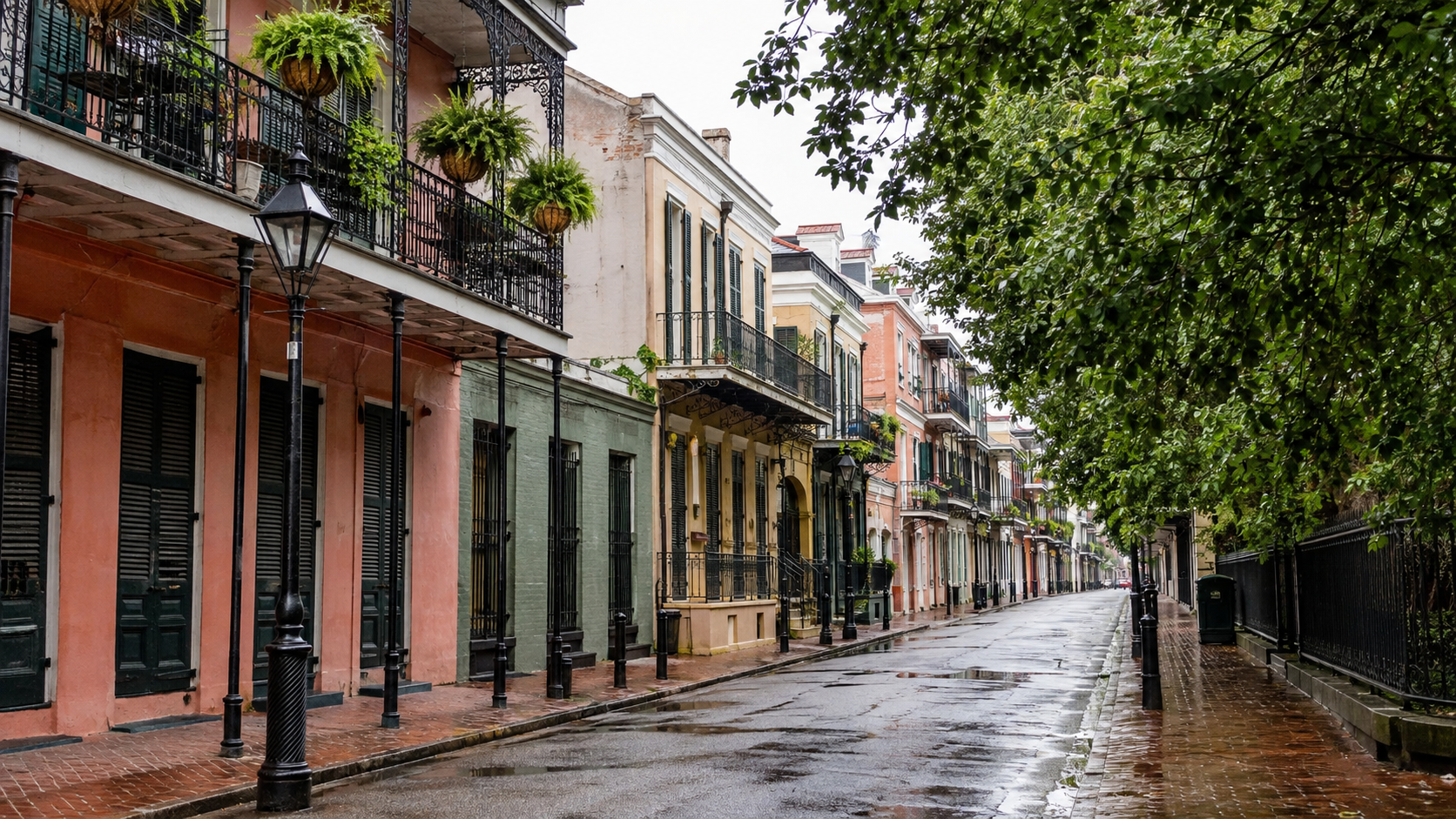
Food-focused travelers, music lovers, history-minded couples, and solo visitors comfortable with lively streets.
Two full days work for a focused visit; three days provide the more comfortable first-trip pace.
$760–$1,650 total for two people sharing a room for two nights, excluding travel to the destination.
No car is needed for a focused central visit.
food-focused travelers, music lovers, history-minded couples, and solo visitors comfortable with lively streets.
2–3 days. Editorial estimate: $760–$1,650 total for two people sharing one room for two nights, excluding travel to the destination
Moderate. No car is needed for a focused central visit.
Price the route for your dates, including the lodging total and local transportation. Confirm accessibility details directly with each place you plan to use.
Official starting points: National Weather Service · U.S. Department of Transportation
A first New Orleans weekend works best as a two- or three-day trip with one clear anchor per day. The destination’s appeal is historic streets, music, and layered food traditions, not racing between every marker on a map. Arrive with the first evening intentionally light, reserve the best weather window for the experience that matters most, and keep a substitute for anything exposed to weather or crowds.
This guide assumes two adults sharing one midrange room for two nights, eating mostly casual meals, choosing a few paid activities, and using the transportation mix described below. It excludes transportation to New Orleans, shopping, nightlife splurges, and travel insurance. The ranges are planning estimates rather than live quotes.
New Orleans particularly suits food-focused travelers, music lovers, history-minded couples, and solo visitors comfortable with lively streets. It rewards curiosity and a willingness to spend meaningful time in one area. A visitor who prefers a rigid, attraction-heavy checklist may find the transfers, conditions, or crowds frustrating; the answer is to edit the list rather than move faster.
It can also be a confidence-building trip for a newer traveler. Book a convenient base, know how the first airport or road transfer works, and decide how you will return after dark. Solo visitors should share their itinerary, use ordinary city or outdoor safety judgment, and avoid letting a low phone battery become a logistics problem.
The most broadly comfortable period is February through May and October through early December. That is a planning preference, not a guarantee of weather or low crowds. Events, school breaks, foliage, festivals, and holiday weekends can change lodging demand and street or trail conditions. Compare the official event calendar and forecast before choosing a nonrefundable rate.
Shoulder seasons often exchange certainty for space and potential value. A quieter date can be excellent if you accept shorter daylight, variable weather, or reduced access. Build the trip around what is actually seasonal rather than assuming the same itinerary works all year.
Plan on $760–$1,650 total for two people sharing one room for two nights, before the cost of reaching New Orleans. The lower end assumes advance lodging research, casual food, geographically grouped days, and mostly free or low-cost stops. The upper end allows a more central room, parking or rides, several admissions, and a meaningful contingency.
Lodging normally creates the largest swing. Compare the final total—including taxes, destination charges, parking, and cancellation terms—not the first nightly number. Food spending stays manageable when breakfast is simple and only one meal per day is treated as an event. Transportation gets expensive when the itinerary zigzags. Admission budgets improve when each traveler chooses one priority rather than buying entry everywhere.
Add a personal buffer for medication, dietary needs, mobility equipment, checked bags, or a late change. If the proposed total feels uncomfortable, shorten the paid list before choosing inconvenient lodging or eliminating the safety margin. For a broader framework, read how to travel on a budget and review Open Path’s budget estimates.
Two full days and two nights are sufficient for a deliberate introduction. They are not enough to complete every major attraction. With two days, devote the arrival day to orientation and the second to the defining experience. Avoid calling late arrival and early departure “three days.”
A third full or partial day improves the trip when weather is important, arrival is long, or energy limitations require shorter blocks. It also lets you experience a different neighborhood without sacrificing the main anchor. Stay longer only when you can name what the extra time is for.
No car is needed for a focused central visit. Walking is useful inside a chosen district or attraction area, not necessarily between every headline sight. Rides can remove parking stress but introduce surge pricing, pickup delays, and uncertainty in remote or late-night locations. Transit can be economical where service matches the route, provided you confirm current schedules and accessibility.
Before booking lodging, map the arrival terminal or highway, the top two sights, and the evening return. Compare total door-to-door time. If driving, review parking rules, road conditions, fuel availability, and whether valuables can remain out of sight. If not driving, save the relevant app, backup phone numbers, and an alternative return.
This is the practical choice when its nearby attractions dominate the itinerary. A central rate may be offset by fewer rides and easier rest breaks. Inspect the exact block, nighttime route, noise reports, parking terms, and step-free access rather than relying on the neighborhood label.
Choose this base for a different balance of atmosphere, access, and price. Calculate transfers honestly: a cheaper room is not a saving when it creates repeated rides, long drives, or no convenient midday break.
This option suits visitors who want its local character to be part of the trip. Confirm that restaurants, transit, parking, and the return route work at the hours you expect. For every area, contact the property directly about elevators, roll-in showers, service animals, quiet rooms, or other essential features.
Begin with French Quarter orientation, riverfront, and an early local-food dinner. Walk slowly enough to understand the area rather than immediately chasing the next stop. Choose lunch or dinner nearby, refill water, and notice how long transfers actually take. If arrival runs late, cut the optional activity instead of compressing the evening.
End with ten minutes of practical preparation: check weather and official alerts, charge devices, identify breakfast, and confirm the next morning’s route. This small reset prevents a complicated start.
Plan Garden District, one major museum, and live music with a planned ride home. Start earlier than peak crowds when reasonable, but do not sacrifice sleep after a long journey. Alternate active and seated periods. Keep food convenient to the route and leave enough time to enjoy it.
The afternoon backup should be genuinely easy—a nearby indoor institution, café pause, shorter route, or hotel rest—not another complicated attraction. Finish close to the lodging base or arrange the return first.
Use the two-day framework, then add Bywater or Marigny, a long brunch, and one final cultural stop. The third day is not permission to recover every item skipped earlier. It is an opportunity for contrast and breathing room.
Pack before leaving, store luggage only under clearly understood rules, and preserve extra departure time. If the final activity has timed entry, a remote location, or unpredictable traffic, move it earlier in the trip.
Treat French Quarter and Jackson Square as a half-day anchor or a deliberate short stop, depending on current access and your interests. Read the official visitor information shortly before the trip, including reservations, security, parking, accessibility, and weather policies. Pair it only with something geographically compatible.
Treat National WWII Museum as a half-day anchor or a deliberate short stop, depending on current access and your interests. Read the official visitor information shortly before the trip, including reservations, security, parking, accessibility, and weather policies. Pair it only with something geographically compatible.
Treat Garden District streets as a half-day anchor or a deliberate short stop, depending on current access and your interests. Read the official visitor information shortly before the trip, including reservations, security, parking, accessibility, and weather policies. Pair it only with something geographically compatible.
Treat Frenchmen Street music corridor as a half-day anchor or a deliberate short stop, depending on current access and your interests. Read the official visitor information shortly before the trip, including reservations, security, parking, accessibility, and weather policies. Pair it only with something geographically compatible.
Treat Mississippi riverfront as a half-day anchor or a deliberate short stop, depending on current access and your interests. Read the official visitor information shortly before the trip, including reservations, security, parking, accessibility, and weather policies. Pair it only with something geographically compatible.
The purpose of this list is not to imply a ranking. Select two or three anchors that tell different parts of New Orleans’s story. A park, district, or scenic corridor can be more memorable than another ticketed venue when it fits the group’s energy.
Build food stops around the day’s geography. Reservations may help for one important dinner, but every meal does not need to be a destination. Carry a dependable snack, especially when outdoor time, queues, or late shows could delay eating. Travelers with allergies should contact businesses directly because menus and preparation practices change.
Heat, humidity, heavy rain, tropical weather, and street flooding can affect plans. Hurricane season requires flexible, refundable arrangements. Check an authoritative forecast close to departure and again each morning. Pack layers, comfortable broken-in footwear, sun protection, and a refillable water bottle. A compact rain layer is usually more useful than an itinerary that assumes perfect conditions.
Do not interpret seasonal averages as a trip forecast. Change plans when officials advise it, and never let a prepaid activity pressure the group into unsafe conditions.
Accessibility differs by building, route, vehicle, and day. Historic surfaces, slopes, crowds, heat, noise, long distances, or limited seating may matter even when an attraction describes itself as accessible. Review official access pages and contact the exact venue or lodging provider about the feature you need.
Plan shorter segments with reliable restrooms and seated breaks. Confirm accessible parking, drop-off areas, elevator status, mobility-device policies, service-animal rules, captioning, sensory resources, and companion seating as relevant. Travelers managing fatigue benefit from a central base and permission to omit the final stop.
Compare the feel and logistics of a city break with Austin vs San Antonio, or consider the coast with the Galveston weekend guide. Travelers choosing between urban scale and transportation styles may also use Dallas vs Houston. Browse Texas destinations for road-trip alternatives.
The Travel Compass can match budget, pace, interests, confidence, transportation, seasonality, and emotional goals. For a route adapted to mobility, dietary, scheduling, or group needs, request a Personalized Travel Blueprint.
Open Path provides editorial planning guidance, not live inventory or guarantees. Verify current prices, taxes, fees, operating hours, reservations, closures, road or transit conditions, weather, accessibility, and availability directly with official agencies and providers before paying or traveling. Conditions can change after this guide’s last-updated date. Keep flexible alternatives and follow local safety instructions.
Yes, when you choose a clear base and limit the plan to one or two geographic areas each day.
Two days can cover the defining experiences without becoming a survey of everything. A third day creates useful flexibility.
Reserve only essential timed experiences after checking cancellation terms; keep enough open time for weather and energy changes.
Check official sources for prices, hours, closures, reservations, parking or road rules, weather, and accessibility details.
One room for two nights; dates, taxes, events, and parking cause substantial variation.
Casual breakfasts and lunches, two fuller meals, snacks, and nonalcoholic drinks for two.
Parking, local fuel, transit, or rides; travel to the destination is excluded.
A mix of free sights and selective admissions, plus room for changing conditions.
Tell Open Path your budget, dates, interests, travel style, and priorities. Receive a personalized plan that organizes the details for you.
Compare another route, destination, or travel style before you book.
destination guideA calm Austin starter plan for a 2–3-day trip, with music, food trucks, easy neighborhoods, and realistic budget tradeoffs.
 destination guide
A first-timer's plan for red-rock scenery, mountain views, and accessible outdoor choices
 destination guide
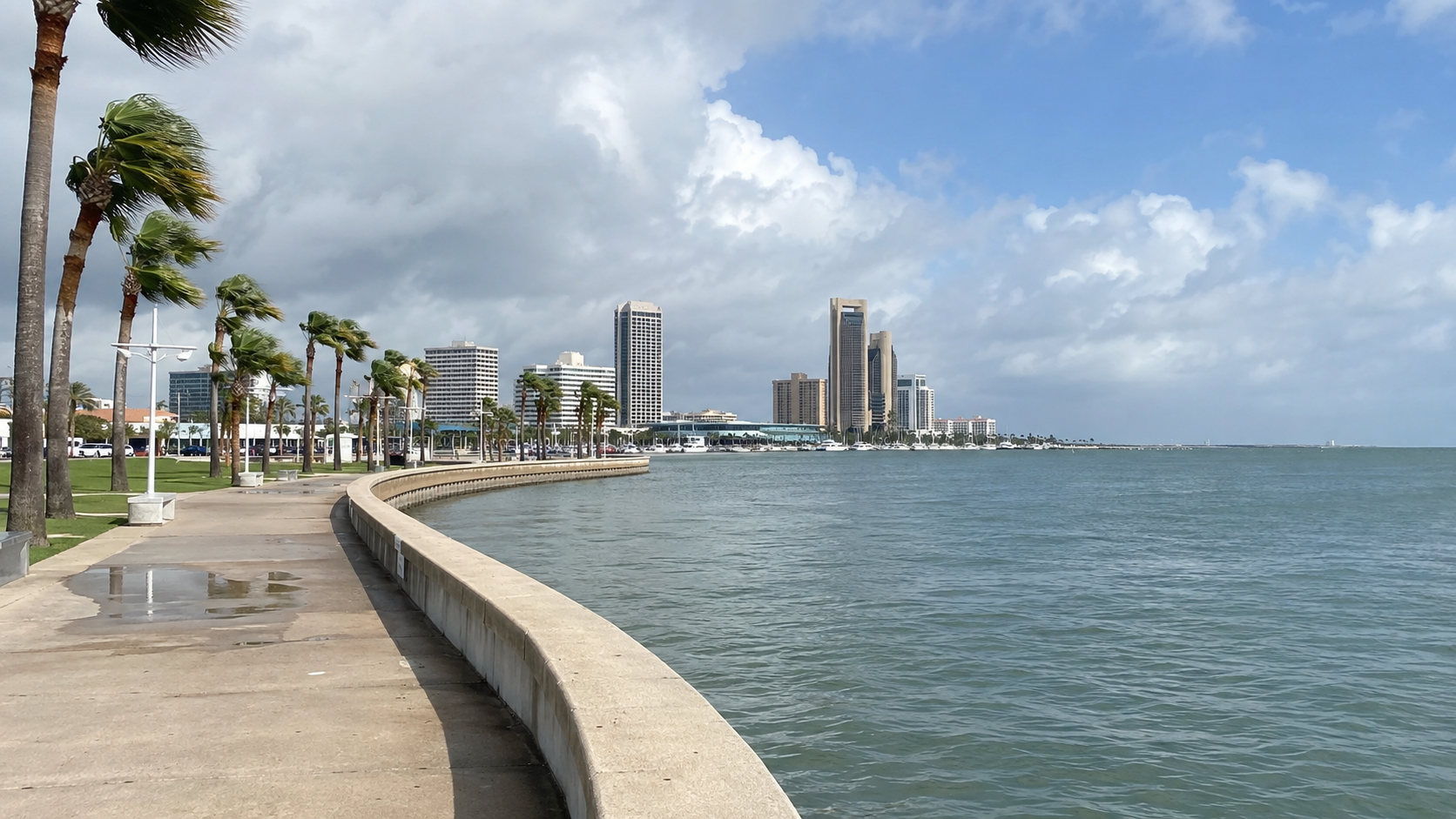
Gulf air, bayfront walks, beaches, wildlife, and a slower coastal pace