 article guide
Best Christmas Towns to Visit in America
Compare Christmas towns in America for lights, markets, snow, and family trips, with honest guidance on dates, weather, crowds, and costs.
Compare U.S. summer vacations for beaches, mountains, cities, and parks, with practical guidance on heat, crowds, costs, and trip length.
17–22 minute read
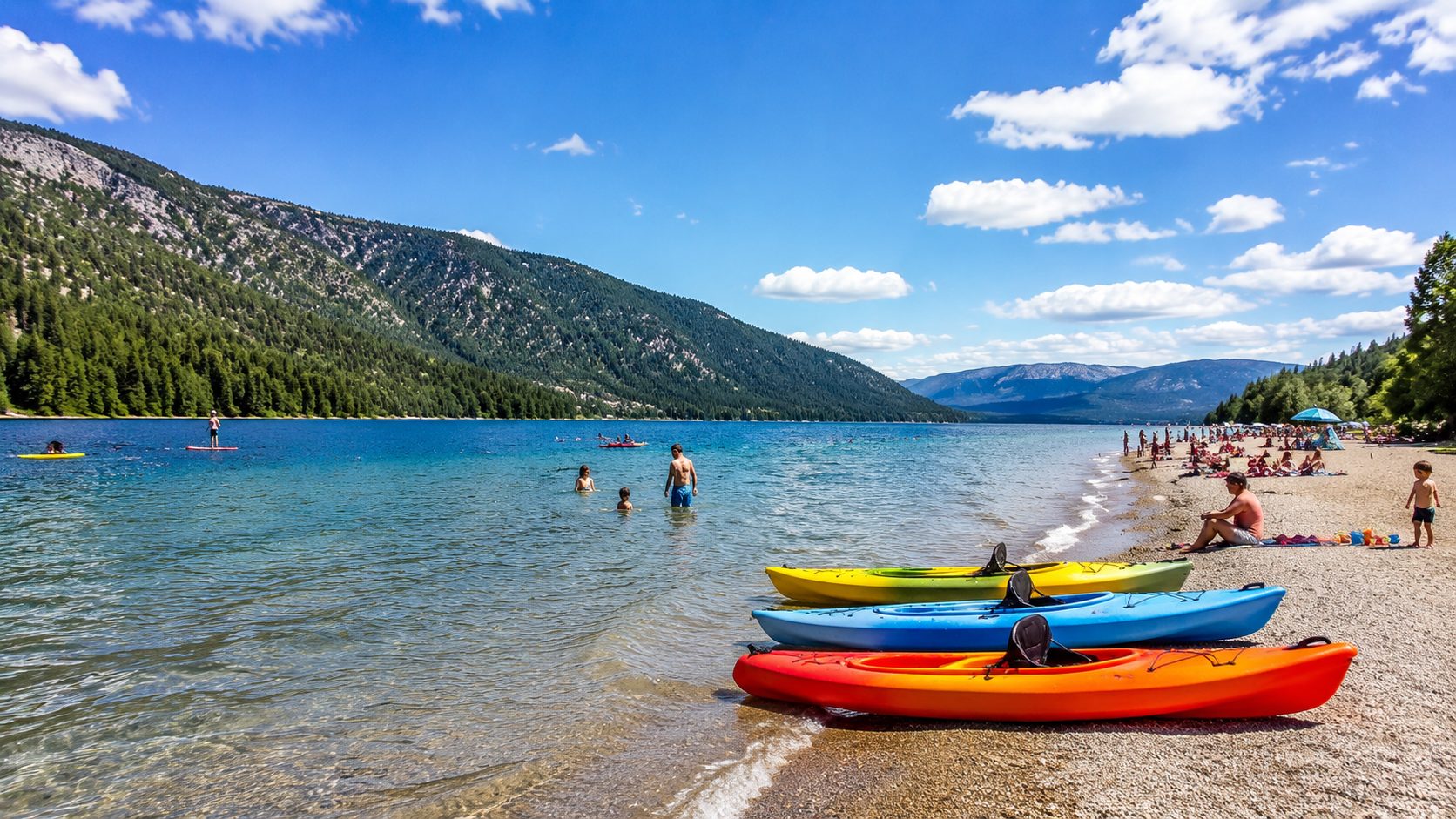
Chicago combines rail transit, lakefront areas, museums, food, and indoor alternatives, though visitors should verify service and walking distances.
Northern coasts and mountain areas may be cooler on average, but heat waves and wildfire smoke remain possible.
Reserve scarce lodging and essential transportation once plans are firm, prioritizing terms you can accept if conditions change.
Quick answer: Summer can mean Acadia for coast and trails, San Diego for an adaptable beach-city break, Chicago for a car-free lakefront city, Colorado Springs for a mountain gateway, Olympic Peninsula for varied ecosystems, or Maine’s smaller coastal bases for a slower road trip. Travelers avoiding heat should look north, toward elevation, or to the Pacific coast—but must still prepare for heat waves, smoke, storms, and crowds.
For summer, first decide what you are trying to escape or enjoy: heat, school-calendar crowds, long daylight, swimming, or mountain access. Northern latitude and elevation can help, but neither guarantees cool weather. Favor a destination with a satisfying non-outdoor day when smoke, storms, or extreme heat intervene. Use the Travel Compass if you want help narrowing the fit.
These choices cover several kinds of summer vacation rather than repeating one photogenic formula. The list balances cities with rural landscapes, car-free possibilities with road summer vacations, active days with easy weekends, and famous places with alternatives that serve a specific vacationer well. Each summer destination has enough depth to survive imperfect weather. Seasonal character matters, but it is never the only reason to go.
We favored practical differences: how long a visit needs, whether local transportation is manageable, what can derail the plan, and whether an indoor or lower-intensity alternative exists. “Best” therefore means a strong match for a stated purpose—not a ranking based on live reviews, prices, or personal anecdotes.
Use the disclosure below to collapse the table after you have made a shortlist. The vacation planning windows describe general patterns, not forecasts or promises.
| summer destination | Strongest fit | Typical summer vacation | Transportation reality | Watch for |
|---|---|---|---|---|
| Acadia and coastal Maine | Coast, hiking, small towns | 4–7 days | Car helpful; park transport varies | Fog, ticks, crowds |
| San Diego | Beach-city flexibility | 3–5 days | Focused summer vacations can avoid a car | Cold water, traffic, marine layer |
| Chicago | Car-free lakefront city | 3–5 days | Strong transit | Heat, storms, event demand |
| Colorado Springs | Mountain gateway | 3–5 days | Car useful outside the core | Altitude, lightning, smoke |
| Olympic Peninsula | Rainforest, mountains, coast | 5–7 days | Car and long drives | Road status, cold water, distance |
| Great Lakes shores | Swimming towns and forests | 4–7 days | Usually a road summer vacation | Rip currents, storms, mosquitoes |
| Alaska rail/cruise corridors | Big scenery and wildlife context | 7+ days | Complex; book a coherent route | Cost, distance, changing conditions |
| New York City | Culture-rich urban break | 3–5 days | Excellent transit | Heat, walking, peak demand |
Granite shoreline, forests, working waterfronts, and towns make coastal Maine appealing when the plan stays geographically modest. Acadia is popular, so check current vehicle reservations, parking, shuttle information, trail notices, and pet rules with official sources. Fog can erase a sunrise view, which is why the day needs another purpose.
Base in one area rather than driving the full coast. Cold water, changing tides, slippery rock, insects, and sudden weather deserve respect. Visit working communities thoughtfully and never trespass for a private shoreline view.
San Diego offers coastal zones, parks, museums, food, and distinct neighborhoods. It is not a guarantee of warm ocean swimming: water can remain cold, marine clouds may linger, and water quality or surf warnings can alter a beach day.
A focused itinerary may work without a car, while a county-wide checklist usually will not. Choose adjacent areas and consult the practical San Diego weekend guide before deciding whether parking and traffic justify a rental.
Chicago pairs architecture, museums, performances, neighborhoods, parks, and Lake Michigan. Transit makes a rental car unnecessary for many visitors, though station accessibility, construction, service changes, and late-night routes need current checks.
Treat the lake like a powerful body of water, not a pool. Follow beach flags and lifeguard directions. Hot, humid days and severe storms call for indoor anchors and flexible tickets.
Colorado Springs can mix dramatic landscapes with a city base, but elevation changes the effort of ordinary walks. Afternoon lightning, hail, heat, wildfire smoke, and road conditions can reshape a day. Acclimatize and do not schedule the hardest outing immediately after arrival.
Our Colorado Springs weekend guide emphasizes manageable geography. Start early because it supports a safe turnaround, not because every vacationer should sacrifice sleep.
Olympic National Park contains coast, temperate rainforest, lakes, and mountains separated by considerable driving. Seeing all of them in a weekend is unrealistic. Choose two compatible zones and check roads, trails, tides, and campground information.
Ocean logs can roll, currents are dangerous, and mountain conditions differ from the coast. Cell coverage is inconsistent. Carry a paper or downloaded map and identify fuel before a long segment.
Michigan, Wisconsin, and Minnesota offer beaches, forests, islands, waterfalls, and small towns. Pick one shoreline cluster rather than treating the lakes as a single summer destination. Ferry schedules, bridge traffic, and seasonal lodging can dictate the route.
Cold water, rip currents, waves, and fast storms require the same seriousness as an ocean. Check beach warnings and never let a pretty forecast override local guidance.
Alaska can deliver extraordinary landscapes and wildlife viewing, but scale, cost, weather, and limited inventory punish vague vacation planning. Select a connected rail, road, ferry, lodge, or cruise corridor instead of stitching together distant highlights.
Wildlife stays wild: use required distances and food-storage practices. Build delay tolerance around small aircraft, boats, or remote roads, and buy only from operators whose safety and cancellation information you understand.
Summer supports parks, outdoor events, and long daylight, while museums, food, and performances offer refuge from heat or storms. Check event rules and do not assume every free activity has unlimited space.
Group days by neighborhood and allow recovery from heat and walking. Transit platforms can be hot, and an ambitious landmark list becomes exhausting quickly.
Seasonal labels do not determine cost. Airfare and lodging respond to origin, day of week, school calendars, holidays, conventions, festivals, sporting events, and how much inventory exists. Compare complete current totals for at least two date windows. A room outside the center can require a rental car, parking, fuel, and more time; a higher central rate can sometimes reduce those costs.
Build the budget in five parts: transportation to the summer destination, lodging with taxes and fees, movement after arrival, food, and activities. Then add a contingency amount appropriate to your situation. The weekend summer vacation cost guide and budget travel guide explain this method without offering a false nationwide price.
Spend deliberately on the summer vacation anchor, whether that is location, a particular event, or easier transportation. Save on elements that do not change the experience. Never assume a nonrefundable booking is a bargain until you understand what happens if weather, illness, or transportation disruption changes the summer vacation.
Summer introduces heat illness, lightning, hurricanes and tropical storms, wildfire and smoke, cold water, rip currents, and heavy visitor traffic. Northern latitude or elevation may reduce average heat but never guarantees a cool week. Hurricane season overlaps summer for Atlantic and Gulf summer destinations; flexible terms and an official-information plan matter more than guessing one storm months ahead.
Historical averages help with broad packing choices but cannot settle a daily itinerary. Check an authoritative forecast close to departure, and use official park, road, transit, marine, wildfire, or emergency sources as appropriate. Conditions can differ sharply by elevation, shoreline, neighborhood, and hour.
Pack for the actual activity: adaptable layers, broken-in footwear, water, sun protection, and rain or cold protection as conditions require. The ultimate packing checklist is a prompt, not a universal prescription. When safety guidance conflicts with a reservation, protect people rather than the schedule.
Two nights suit one compact district or small-town base, especially when reached by a short drive. Three or four nights allow a city plus one day summer vacation or a park gateway with a weather buffer. Five to seven days make sense for regions where distances are large or changing lodging is genuinely useful. Do not turn a short break into a survey of an entire state.
Count usable time rather than calendar labels. A late arrival and early departure leave little more than one day. If transportation consumes most of the visit, choose a closer summer destination from the weekend getaways under $500 guide or adjust the summer vacation length.
Another frequent error is copying an itinerary without checking why it worked for its creator. Mobility, starting location, daylight, interests, and booking conditions differ. Use examples as frameworks, then remove anything that does not support your summer vacation.
Anchor the summer vacation around one region and schedule strenuous outdoor time only when conditions and ability support it. Price checked bags, rental-car fees, parking, park transport, and resort charges before comparing summer destinations. For coast choices, the Texas beaches guide and Galveston versus South Padre Island comparison clarify very different Gulf summer vacations.
Keep one indoor, sheltered, or lower-intensity alternative for each important outdoor day. Download confirmations and a map, share the plan with your group, and put cancellation deadlines on the calendar. Reserve scarce essentials before optional extras. Recheck the route shortly before leaving rather than trusting an old saved post.
When the choices still feel tangled, a Personalized Travel Blueprint can account for origin, dates, pace, interests, and constraints. It should improve a decision, not encourage a busier itinerary.
The FAQ below addresses the most common timing, transportation, budget, and summer vacation-length questions for this season.
Prices, weather, hours, road and trail status, transit, permits, event schedules, entry rules, and availability may change. Confirm anything that could affect safety, access, or a nonrefundable purchase with the relevant official source before booking and again before departure.
Compare another route, destination, or travel style before you book.
article guideCompare Christmas towns in America for lights, markets, snow, and family trips, with honest guidance on dates, weather, crowds, and costs.
 article guide
Compare America’s best fall getaways for foliage, mountains, cities, coast, and warmth, with realistic timing, budget, and weather advice.
 article guide
Compare U.S. spring trips for wildflowers, cities, coast, and parks, with honest advice on weather, crowds, timing, and budgets.