 article guide
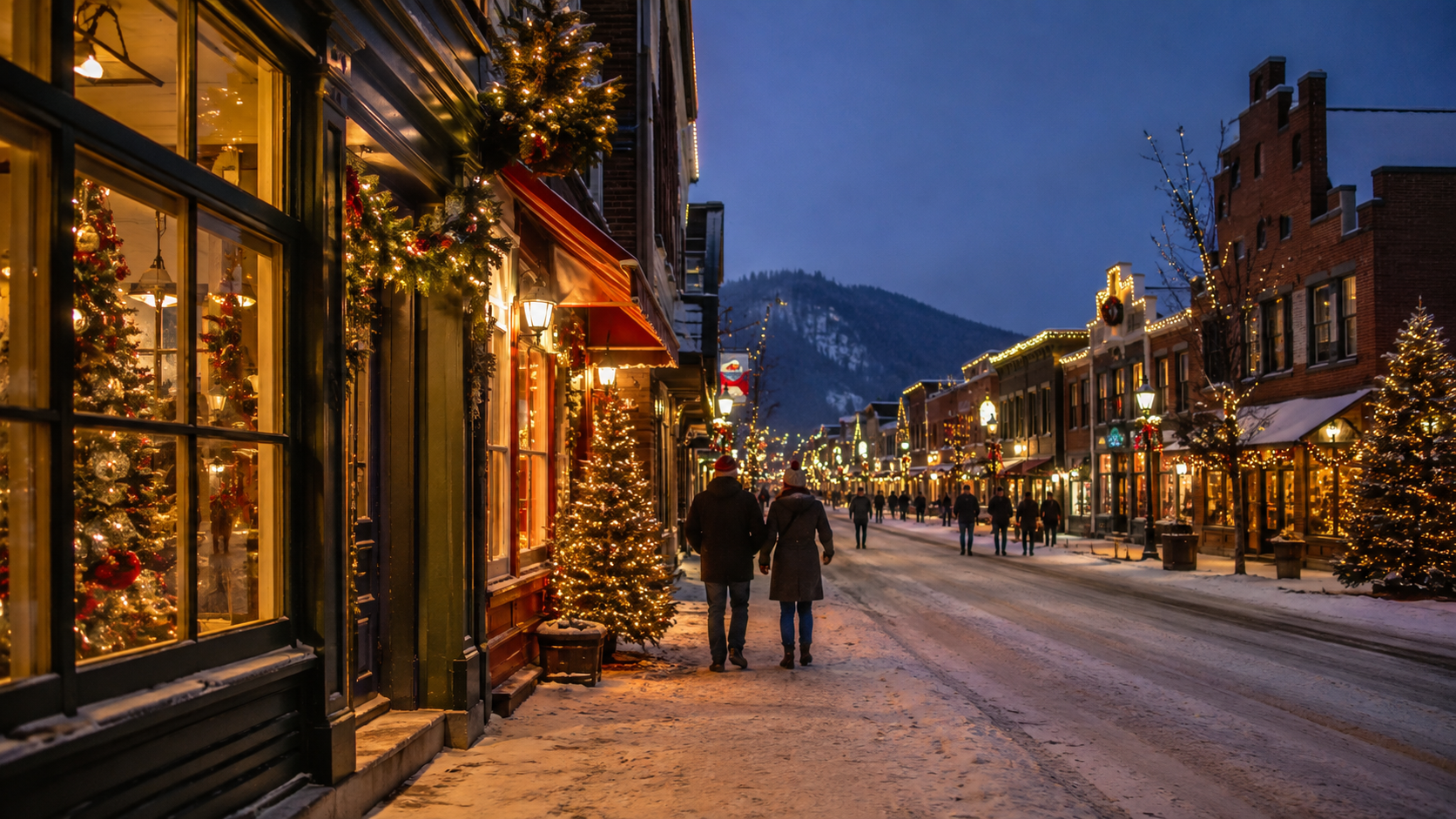
Best Christmas Towns to Visit in America
Compare Christmas towns in America for lights, markets, snow, and family trips, with honest guidance on dates, weather, crowds, and costs.
Plan your first solo trip step by step, from choosing a destination and budget to lodging, safety, transportation, and a confident itinerary.
17–21 minute read
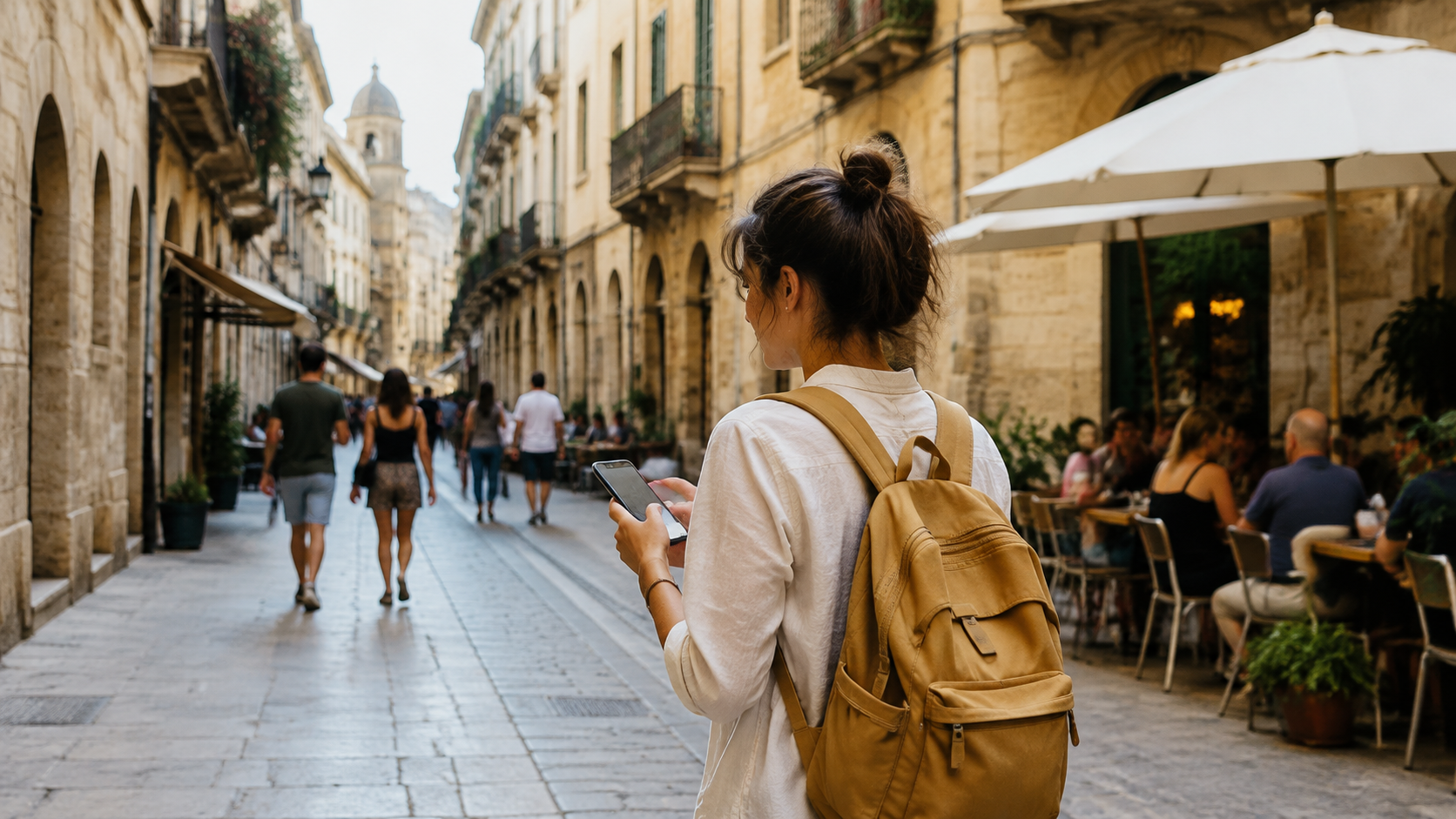
A familiar-language destination with a simple arrival, manageable scale, and activities you genuinely enjoy.
Two to four nights often gives enough time to learn without creating a complicated itinerary.
Research practical risks, share a private plan, keep communication options, and leave any situation that feels wrong.
Your first solo trip should be simple enough to manage and interesting enough to feel worth doing alone. Choose a destination with an easy arrival, a comfortable lodging area, manageable distances, and at least two activities you would happily do without company. A two- to four-night domestic trip is a useful starting shape, not a rule.
Solo travel is not automatically brave, dangerous, lonely, or life-changing. It is simply travel in which you carry more of the decisions. Good preparation reduces avoidable uncertainty while leaving room to notice what you like.
Start from ease rather than prestige. Write down your maximum travel time, total budget, preferred weather, transportation comfort, mobility or sensory needs, and what you want from the trip. Then shortlist places that satisfy those facts. A destination is not beginner-friendly in the abstract; it must be workable for you.
| Question | A reassuring first-trip answer |
|---|---|
| Arrival | Direct or simple, during hours when services operate |
| Scale | Two priority areas without daily cross-city travel |
| Lodging | Suitable options near transport and activities |
| Communication | You can get essential information and help |
| Backup | Indoor activity, alternate route, and accessible support |
A nearby city can be more useful than an ambitious flight. San Antonio offers a first-timer framework; Nashville and San Diego illustrate different city styles. These guides support comparison, not claims that a place is safe or suitable for everyone.
Use the Travel Compass if you need help translating budget, interests, pace, and transport confidence into a shortlist. Check current weather patterns and major events before settling on dates.
Solo travelers cannot automatically split the room, rides, fuel, or parking. That does not make solo travel unaffordable; it changes the math. Start with the most you can spend without compromising bills, debt repayment, or emergency savings. Remove a contingency before allocating the remainder.
Count transportation from your front door, lodging after taxes and required fees, local movement, regular food, planned experiences, insurance if relevant, connectivity, pet or home care, and a safe-return reserve. Do not use reward points as zero cost without accounting for taxes, fees, expiration, and the value of using them elsewhere.
| Category | What to enter |
|---|---|
| Long-distance transport | Final fare or realistic driving cost plus bags and transfers |
| Lodging | Final total, deposits, parking, and cancellation deadline |
| Local movement | Transit, walking limits, rides, rental costs, fallback |
| Food | Every day including travel days and dietary needs |
| Activities | Only those you expect to choose |
| Contingency | Money held for changes, not souvenirs |
The budget travel guide explains complete-cost comparisons. Search live prices for your dates; no blog can guarantee them.
Safety is contextual. Review official visitor information, transportation service alerts, weather hazards, public-health guidance, and patterns relevant to your planned neighborhoods and hours. Ask lodging providers precise questions about access or late check-in. Avoid sources that reduce an entire city to “safe” or “unsafe.”
Create layers rather than relying on one trick:
No checklist eliminates risk, and personal intuition is not a substitute for visible warnings. Follow staff and emergency directions. Travelers who face identity-based harassment should seek current, community-informed resources relevant to their identity and destination.
Choose an arrival that leaves margin before dark or before the last reliable service when feasible. A cheaper late flight may require an expensive ride or create a stressful check-in. Record flight, train, or bus numbers; terminal; luggage terms; connection time; and disruption options.
Map it against your arrival point and two main anchors. Read recent reviews for repeated patterns, but verify decision-critical policies directly. Confirm the exact room type, private or shared bathroom, accessibility features, front-desk hours, entry method, luggage storage, deposits, and cancellation rules. Never send payment outside a legitimate platform at a host’s request.
Hotels, hostels, guesthouses, and rentals each involve tradeoffs. A hostel can offer social contact but not necessarily quiet or privacy. A rental can offer space but limited on-site support. Choose the environment in which you can sleep and recover.
Save the address offline and avoid saying your room number aloud in public. If the assigned room or access does not match what was booked, document the issue and contact the property or booking provider.
Use one anchor per half-day at most. Put nearby options together and include unscheduled time. Your first evening should be intentionally easy: check in, learn the immediate area in daylight when possible, eat, and prepare for tomorrow.
Arrival day: Complete the practiced transfer, settle in, buy water or essentials, take a short orientation walk if conditions are suitable, and have a known meal option.
Full day: Choose one priority experience in the morning, a flexible lunch, and one adjacent option. Decide later whether the evening needs activity or rest.
Departure day: Pick a low-risk stop near lodging or the departure route. Leave substantial margin for luggage, traffic, security, and service changes.
Put opening times and reservation requirements in your notes, but verify them directly. Avoid scheduling a nonrefundable highlight immediately after arrival. Weather, delays, and fatigue happen.
Check identification, passport and visa rules where applicable, ticket-name matching, medication documentation, insurance details, and destination entry requirements. Official agencies and carriers—not social posts—are the final sources. Make encrypted or access-controlled copies and do not leave full document numbers visible in ordinary notes.
Keep confirmation numbers, lodging address, transport route, emergency contacts, and key medical information available offline. Carry necessary medication in accordance with current rules and bring a little margin where allowed. Tell a trusted contact how to help without sharing information more broadly than needed.
Create Plan B for a canceled arrival, unusable payment card, lost phone, closed venue, and bad weather. A backup can be modest: customer-service numbers, a second payment method, an indoor public place, and enough funds for a safe transfer.
Eating alone becomes easier with a plan. Cafés, counter-service restaurants, markets, museum cafés, and a bar seat at an appropriate venue can feel low pressure. Check dietary fit and closing times. Bring something to read if you want, but you do not need to look busy.
Ask another visitor or staff member to take a photo only when appropriate, and keep control of your unlocked phone. A small tripod may be prohibited in some sites. Do not enter restricted or precarious areas for a self-portrait.
Loneliness and overstimulation can both appear. A small group tour, class, or daytime event provides structured contact without committing the whole trip. Calling home is not failure. Neither is returning to the room early. Solo travel lets you respond to your energy instead of performing independence.
If detailed research itself is the barrier, a Personalized Travel Blueprint can organize a route around your needs. It does not replace your judgment or current official guidance.
Choose a place with a straightforward route, comfortable lodging options, manageable scale, and activities you want. A nearby domestic city is often easier than a multi-stop international itinerary, but personal fit matters most.
No destination or travel style is risk-free, and risk varies by person, place, activity, and time. Research the actual route, use layered precautions, follow official alerts, and change plans when conditions are unsuitable.
Share the research, broad itinerary, communication plan, and backup arrangements. Listen for specific concerns, investigate them, and keep the final decision grounded in current facts rather than either panic or dismissal.
A reputable daytime tour can add context and structured company. Verify the operator, meeting point, duration, physical demands, group size, cancellation terms, and how you return afterward.
Adjust it. Rest, change an activity, call someone, or return early if necessary. A first trip is information, not a test of character.
Verify prices, fees, schedules, identification and entry rules, operating hours, accessibility, weather, closures, public-health guidance, transportation service, and availability with current official sources. Circumstances and personal risk differ; this article cannot guarantee safety or replace professional, legal, medical, or emergency advice.
Compare another route, destination, or travel style before you book.
article guideCompare Christmas towns in America for lights, markets, snow, and family trips, with honest guidance on dates, weather, crowds, and costs.
 article guide
Compare America’s best fall getaways for foliage, mountains, cities, coast, and warmth, with realistic timing, budget, and weather advice.
 article guide
Compare passport-free destinations for U.S. travelers, from Puerto Rico to national parks, with practical planning and document advice.